
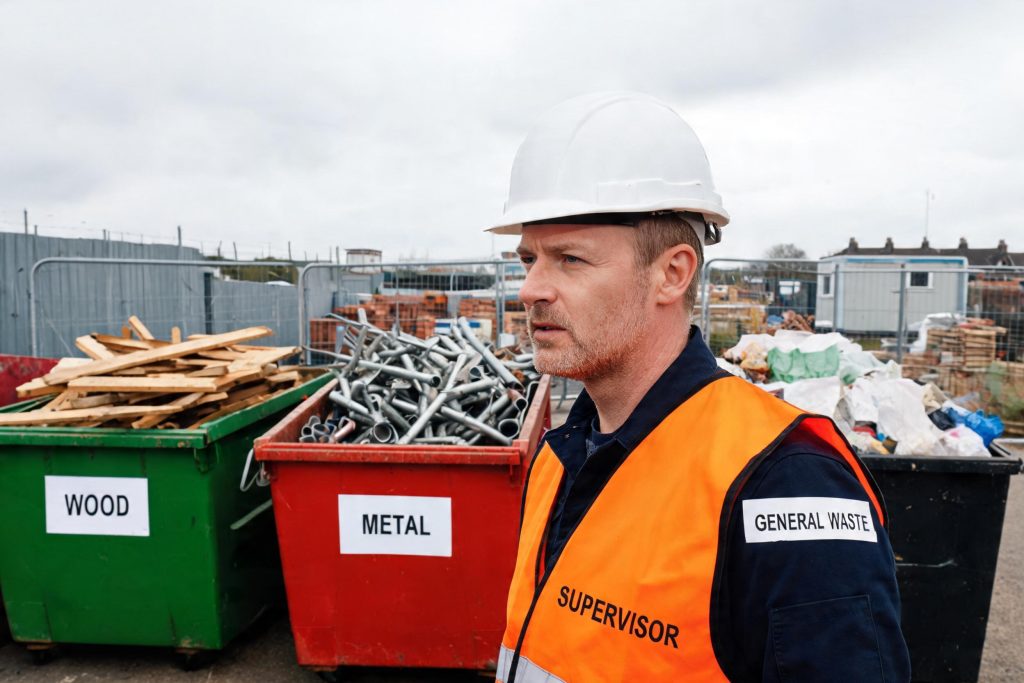
Environmental Awareness in Construction: Duties, Waste and Pollution
Construction law makes site teams personally responsible for preventing pollution. The waste duty of care, the waste hierarchy, the main site risks and how to control them.
Nexis CPD Knowledge Bank — Health & Safety guides and explainers.
Construction law makes site teams personally responsible for preventing pollution. The waste duty of care, the waste hierarchy, the main site risks and how to control them.

A duty of care is the legal and professional obligation to act in the best interests of the people you support and avoid causing them harm. What it means, where it comes from, and how to handle conflicts with personal choice.

Noise-induced hearing loss is permanent but preventable. The Control of Noise at Work Regulations 2005, the exposure action values, and what employers must do.
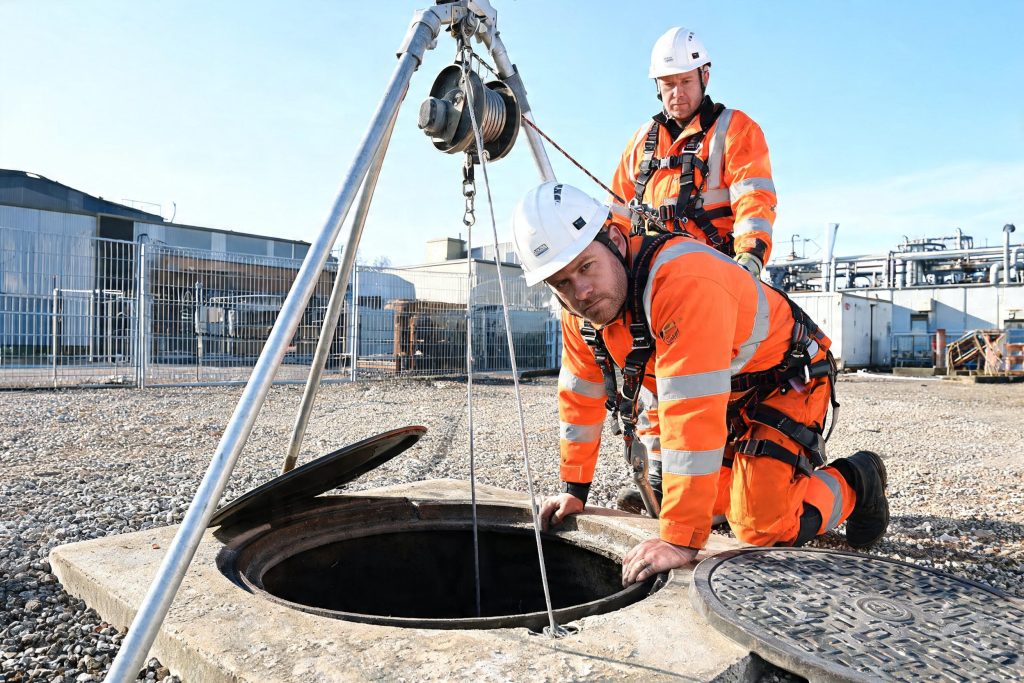
A confined space is defined by risk, not size, and they kill workers and rescuers every year. The legal definition, the dangers, and what the law requires before entry.

Dignity in care is a legal requirement, most often lost through rushed routine. What it means, the law, the eight dignity factors, and what it looks like in practice.

Slips, trips and falls are the most common cause of workplace injury, and almost all are preventable. The causes, the law, and simple steps to prevent them.

Care workers administer medication safely by following the six rights, every time. What the six rights are, who can administer, levels of support, PRN and covert medication.

Work-related stress is a legal duty for employers, not just an HR issue. What it is, the HSE Management Standards, the signs, and what employers must do.

Infection prevention and control is how care and healthcare settings stop infections spreading. The chain of infection, standard precautions, hand hygiene and the law.

Lone working is legal, but employers must protect lone workers. What counts as lone working, the law, the risks, and how to assess and control them.