Health & Safety Guides - Page 2 of 15 - Nexis CPD Knowledge Bank

Health & Safety

Nexis CPD Knowledge Bank — Health & Safety guides and explainers.

What Are the CPD Requirements for Engineers and Engineering Technicians?
Health & Safety

What Are the CPD Requirements for Engineers and Engineering Technicians?

Engineering is not a regulated profession in the UK, but CEng, IEng, EngTech and ICTTech registrants must carry out and record CPD under the Engineering Council’s CPD Code. The Council sets no minimum hours; the IET asks for 30 a year and IStructE recommends 30, while IMechE and ICE set none. Institutions sample at least 5% of records each year, and persistent non-engagement risks removal from the register.

How Many CPD Hours Do You Need? UK Requirements by Profession
Health & Safety

How Many CPD Hours Do You Need? UK Requirements by Profession

How many CPD hours each UK profession needs, in one table with the regulator’s own figures: nurses (NMC 35 hours over three years, 20 participatory), dental professionals (GDC 100/75/50 hours over five years), surveyors (RICS 20 hours a year), financial advisers (FCA 35 hours a year), accountants, architects, optometrists, vet nurses, Driver CPC and more, plus the professions with no set hours, what verifiable CPD means, whether online CPD counts and how to record it.

How Should Hazardous Chemicals Be Stored at Work?
Health & Safety

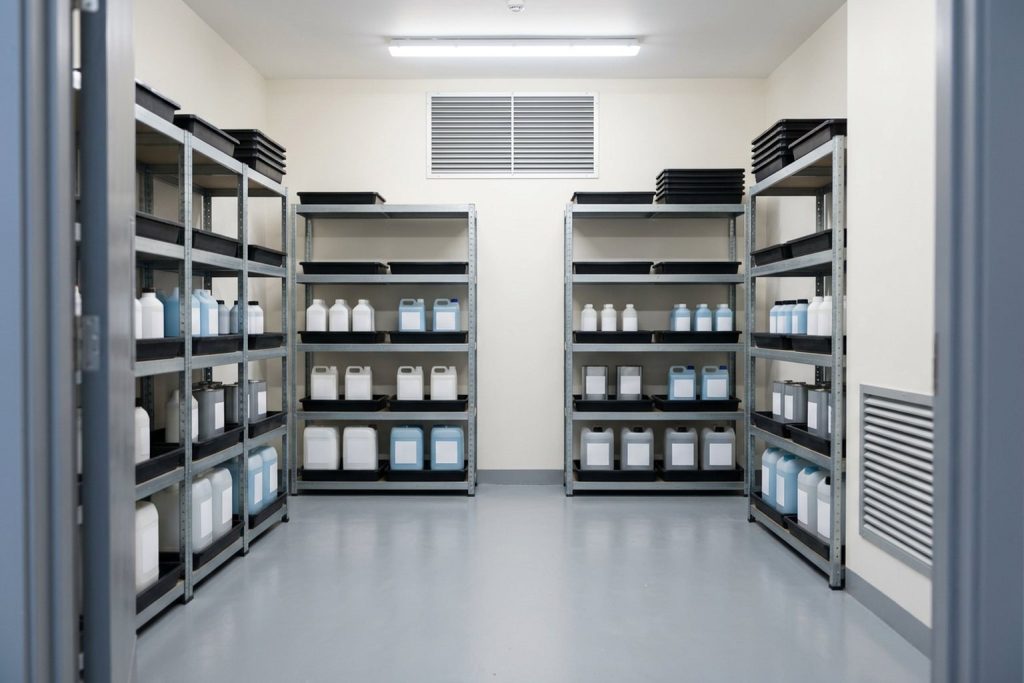
How Should Hazardous Chemicals Be Stored at Work?

How to store hazardous chemicals at work under COSHH and DSEAR: which products must never be stored together (bleach and acids, oxidisers and flammables), where to locate a chemical store, flammable liquid cabinets and HSE’s recommended 50-litre workroom maximum, labelling and decanting, bunding and the oil storage rules, spill kits, disposal as hazardous waste, training, and a monthly chemical store inspection checklist.

What Welfare Facilities Must a Construction Site Provide?
Health & Safety

What Welfare Facilities Must a Construction Site Provide?

What welfare facilities must a construction site provide? Toilets, washing facilities with hot and cold or warm running water, soap and drying, drinking water, changing rooms and lockers where needed, and a heated rest area with tables, seats with backs and a way to boil water and eat. Schedule 2 of CDM 2015 sets the minimum, and regulations 4(2)(b), 13(4)(c) and 15(11) make clients, principal contractors and every contractor responsible. Welfare must be in place from day one, including on small domestic jobs. Includes a Schedule 2 checklist, a day-one checklist, toilet numbers, mobile sites, domestic work, women on site and enforcement.

What Is the Fire Triangle? How Fires Start and How to Stop Them
Health & Safety

What Is the Fire Triangle? How Fires Start and How to Stop Them

The fire triangle is the three things a fire needs: heat, fuel and oxygen. Almost every workplace fire prevention measure works by keeping one side away from the other two. This guide covers ignition sources, fuels and oxygen at work, the fire tetrahedron, how the triangle maps onto a fire risk assessment, which controls remove which side, a housekeeping checklist, fire doors, arson, how extinguishers break the triangle and lithium-ion batteries.

How Do You Use Power Tools Safely at Work?
Health & Safety

How Do You Use Power Tools Safely at Work?

How to use power tools safely at work: what PUWER and the Electricity at Work Regulations require, the main hazards and controls, a pre-use checklist, safe working methods, circular saw kickback, 110V versus battery and 230V tools, chainsaw and abrasive wheel training, PPE, on-tool dust extraction, vibration, inspection, tagging and quarantining faulty tools, hired tools, and training for young workers.

Are Lithium-Ion Batteries a Fire Risk at Work?
Health & Safety

Are Lithium-Ion Batteries a Fire Risk at Work?

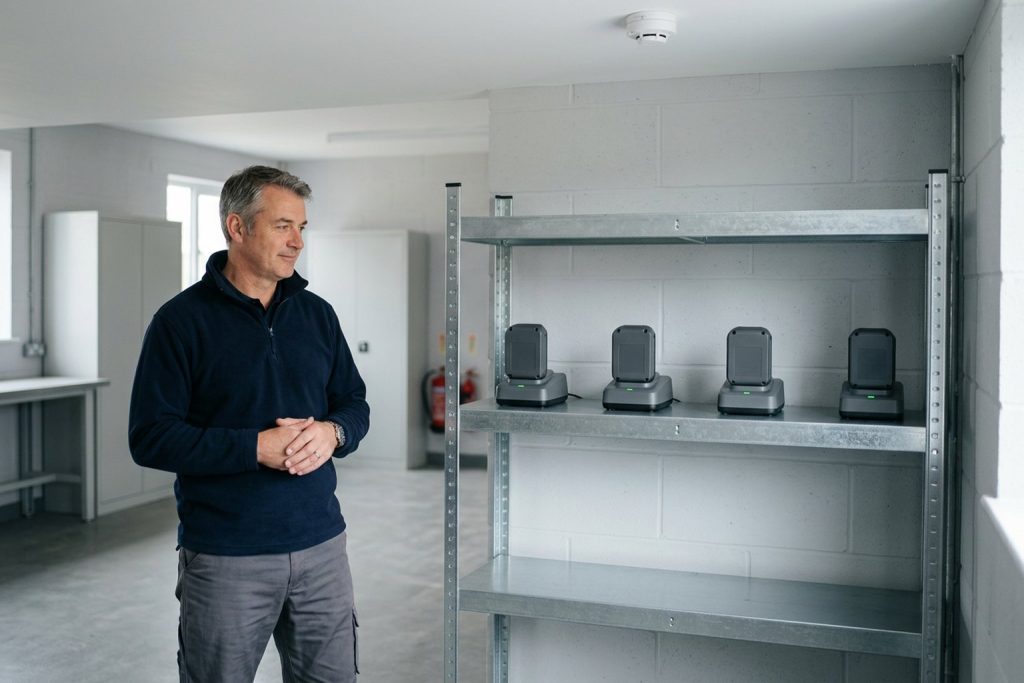
There is no special lithium battery law for UK workplaces: lithium-ion batteries are managed through the ordinary fire risk assessment under the Regulatory Reform (Fire Safety) Order 2005. But they fail differently, with thermal runaway, toxic gas and re-ignition. This guide covers where batteries are found at work, why they catch fire, the warning signs and what to do, a safe charging checklist, storing spare and damaged batteries, staff e-bikes and e-scooters, what to do in a fire, disposal, and updating your fire risk assessment.

How Do You Work Safely on Fragile Roofs and Rooflights?
Health & Safety

How Do You Work Safely on Fragile Roofs and Rooflights?

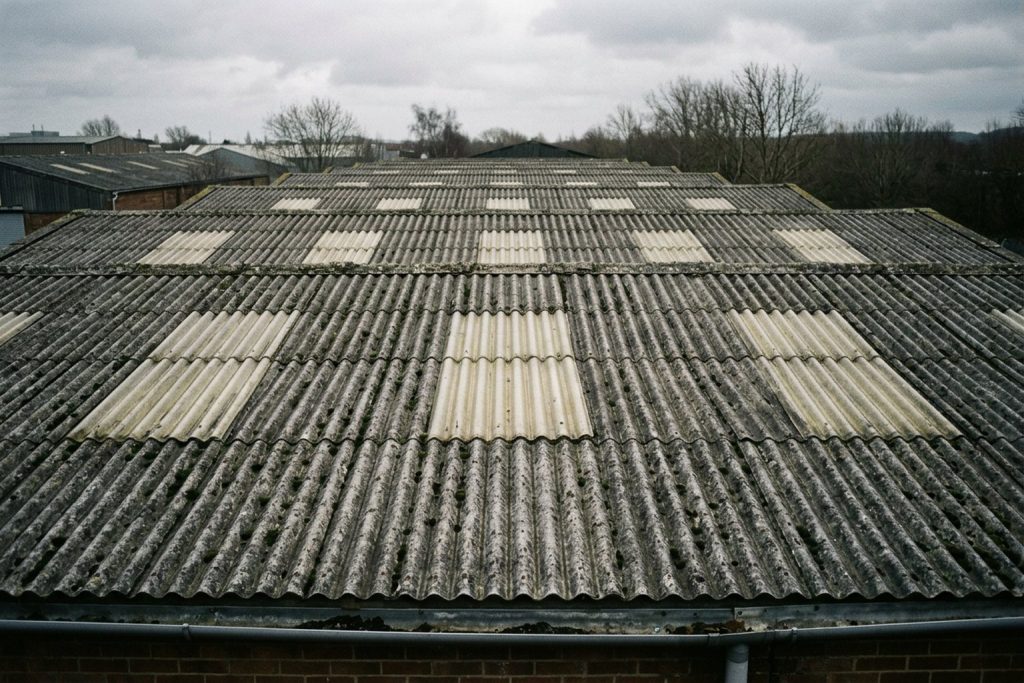
How do you work safely on fragile roofs and rooflights? Treat every roof as fragile until a competent person confirms otherwise, avoid going on it where you can, and if you must, use staging, covers and guard rails, then safety nets, with warning notices and a rescue plan in place. Covers regulation 9 of the Work at Height Regulations 2005, HSE’s HSG33 (fifth edition, 2020), which materials are fragile, who is most at risk, a before-anyone-goes-up checklist, asbestos cement roofs, and what an ACR Red Book non-fragile rating does and does not tell you.

What Causes Occupational Asthma? Causes, Symptoms and Employer Duties
Health & Safety

What Causes Occupational Asthma? Causes, Symptoms and Employer Duties

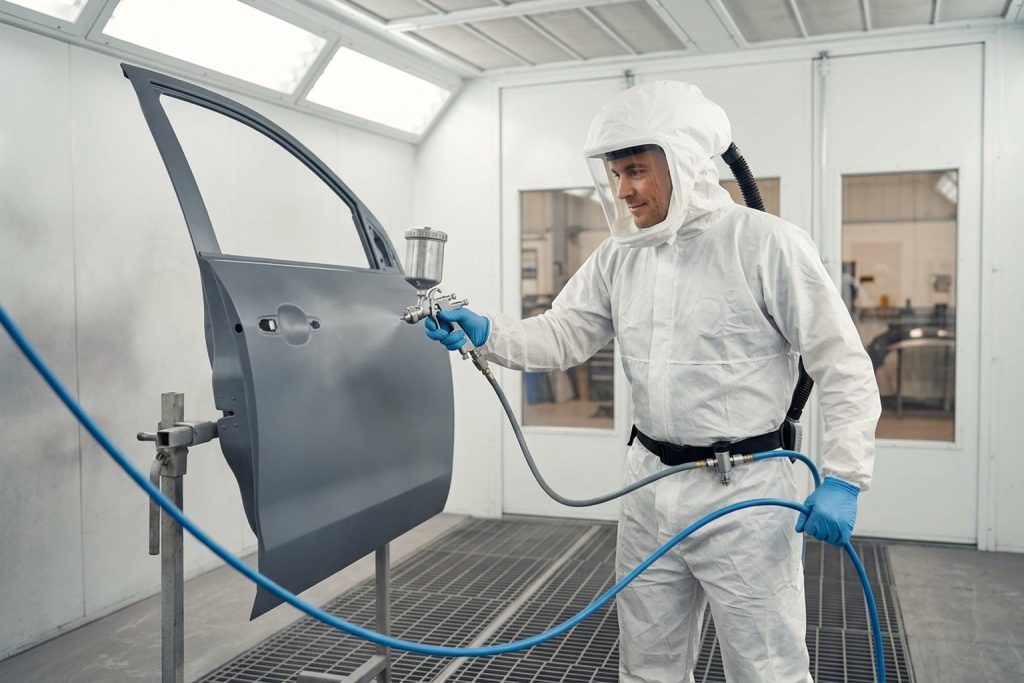
What causes occupational asthma, from isocyanates in vehicle paints and flour dust to wood dust, solder flux fume, latex, laboratory animals and stainless steel welding fume; how sensitisation works; common causes by industry; the H334 label; symptoms and diagnosis; work-aggravated asthma; health surveillance under COSHH; RIDDOR reporting; prevention; what to do if a worker is sensitised; and IIDB prescribed disease D7.

How Often Should Fire Extinguishers Be Serviced?
Health & Safety

How Often Should Fire Extinguishers Be Serviced?

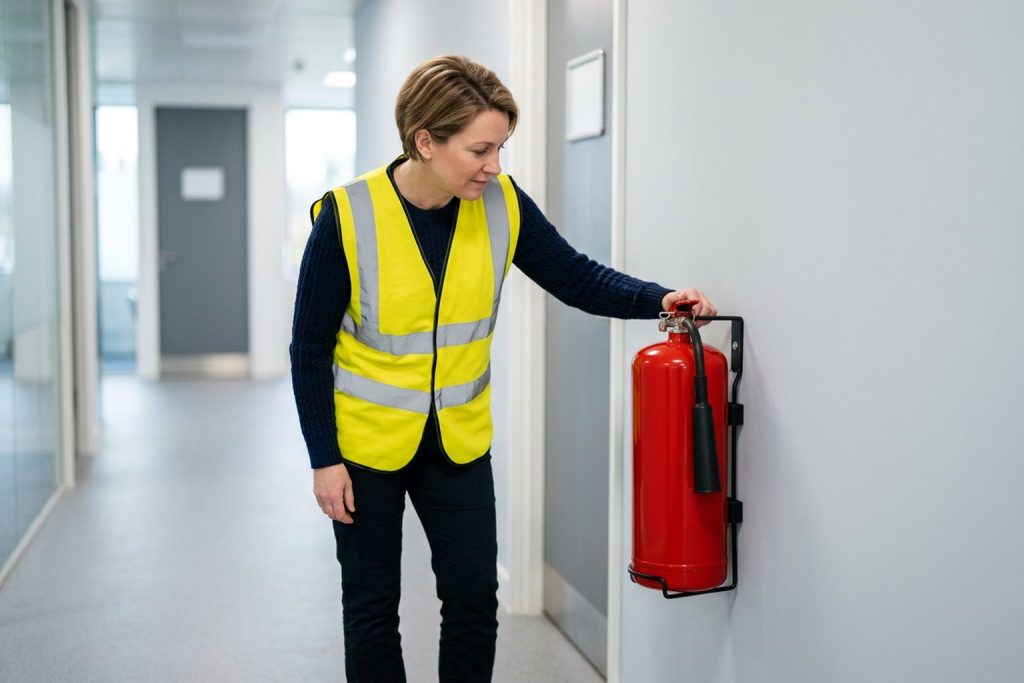
No UK law says ‘service your fire extinguishers every year’. The Fire Safety Order requires appropriate fire-fighting equipment and a suitable system of maintenance; the monthly visual check, annual basic service and five- or ten-yearly extended service or overhaul come from BS 5306-3, as summarised by government, fire service and industry guidance. This guide covers the law across the UK, a servicing schedule by extinguisher type, a step-by-step monthly check and checklist, the annual service, BAFE, service labels, replacement, records, and small premises and HMOs.

Scroll to Top