

Food hygiene: the complete UK guide
What UK food hygiene law actually requires: registration, HACCP, the 4 Cs, temperature control, personal hygiene, allergens, training levels, ratings, records and enforcement — with the detail on each topic.
What UK food hygiene law actually requires: registration, HACCP, the 4 Cs, temperature control, personal hygiene, allergens, training levels, ratings, records and enforcement — with the detail on each topic.

There is no law requiring a Level 2 food hygiene certificate — the law requires training commensurate with your role. Who actually needs Level 2, what it covers, how it differs from Level 1 and 3, and the honest difference between a CPD-accredited course and an Ofqual-regulated qualification.

Praise-only feedback fails the sample. Here are 15 worked examples of assessor feedback across practical observation, written work and referrals — each one specific, developmental and tied to the criteria. Plus the four failures that turn good feedback into a sampling flag.

A standardisation meeting is not a compliance box. It is the only regular chance an assessor team has to look at the same evidence and disagree in the same room. Here is the agenda, the blind-marking exercise, the minutes an EQA needs to see, and the six failures they flag most.

An IQA sampling plan is a documented, risk-based decision — not a form to fill in. Here is how to build one using the CADET model, what it must contain, and the six failures EQAs flag most often.

The Regulatory Reform (Fire Safety) Order 2005 requires adequate fire safety training for every employee, plus competent wardens or marshals. There is no prescribed syllabus — the training must match your building. What that means in practice.
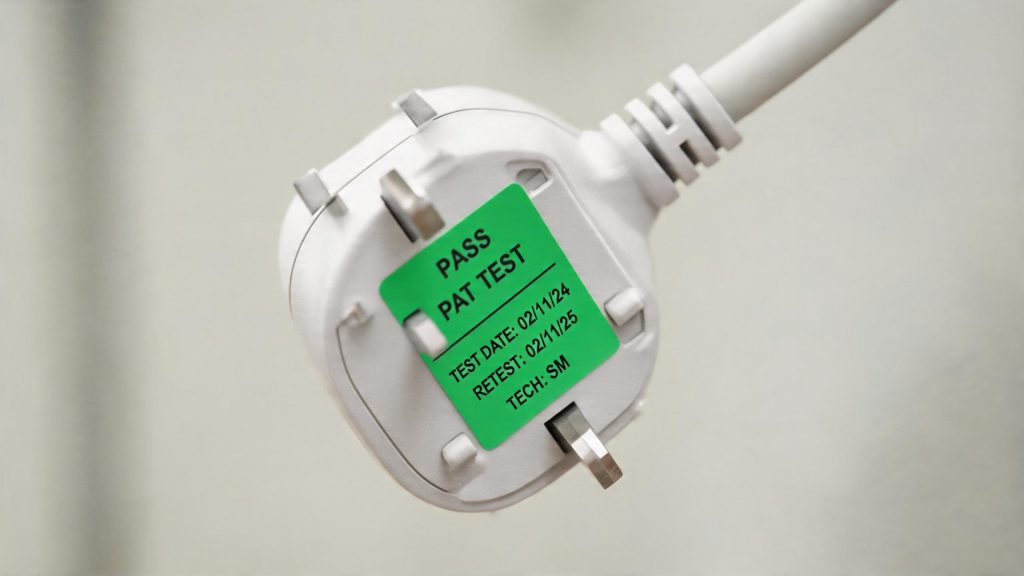
PAT labels and a written PAT register are not legal requirements. The Electricity at Work Regulations 1989 require maintenance that prevents danger, and evidence of it. Here is what to put on a label, what a register should contain, and how long to keep records.

The Work at Height Regulations 2005 require competence for anyone who works at height, plans it, or supervises it. Here is who needs training, what it must cover, and where an online awareness course is not enough.
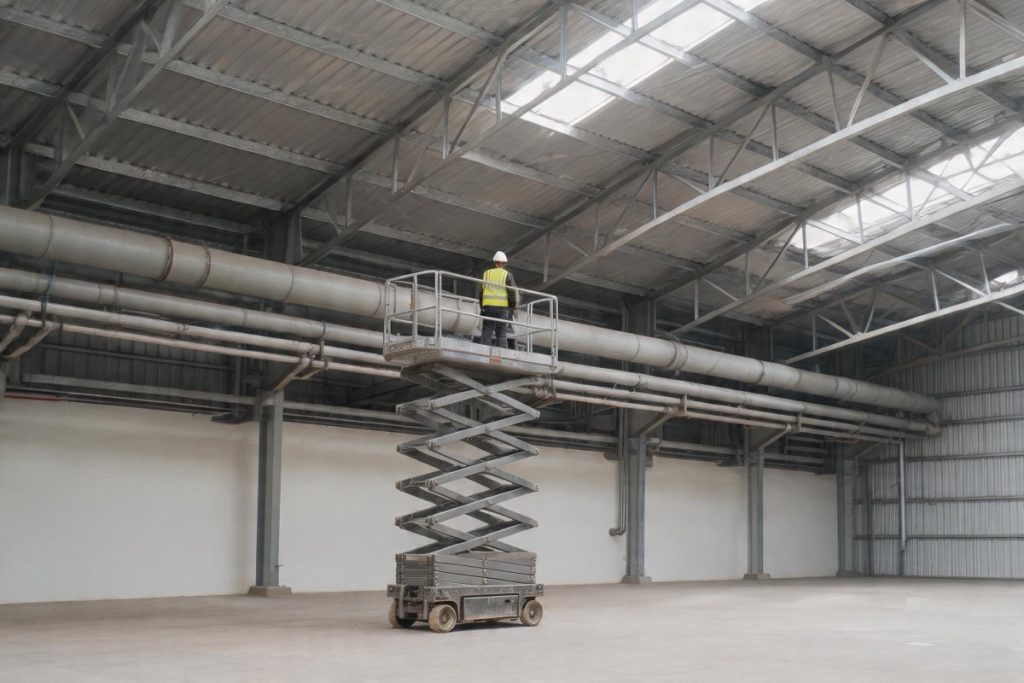
Avoid, prevent, minimise — and why a harness is the last resort, not the first. Worked through with a real example.
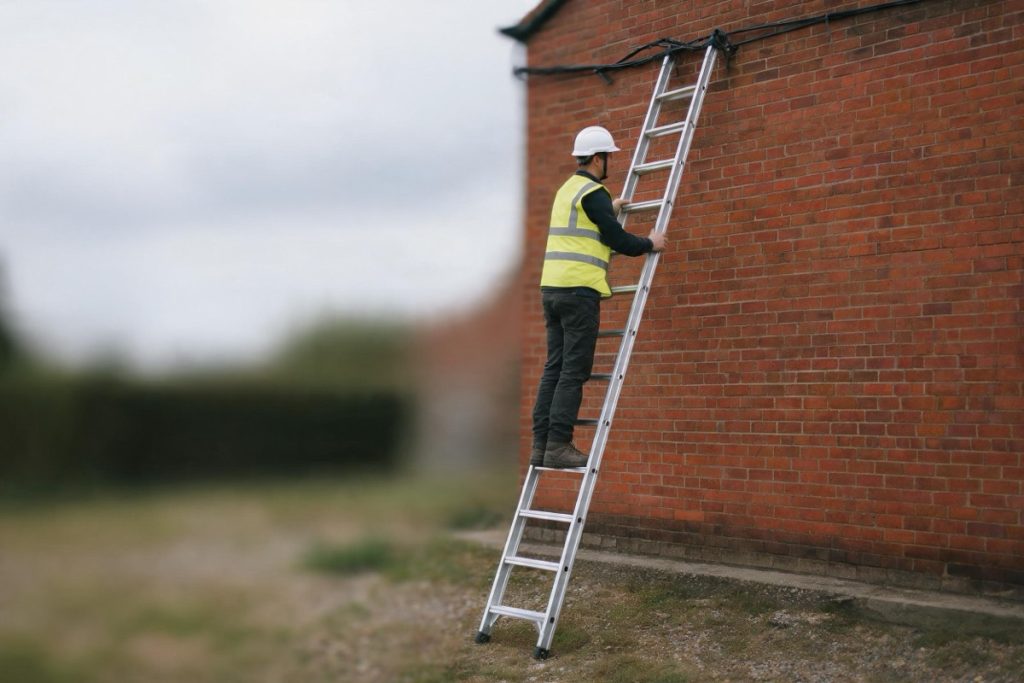
Ladders are not banned. The 1-in-4 rule, securing, three points of contact, pre-use checks and when a ladder is the wrong choice.