
Safeguarding is not the same as child protection, and treating the two as identical is the most common mistake people make. Child protection is the part that kicks in when a specific child is at risk of harm. Safeguarding is the much wider duty that runs all the time, for everyone at risk — protecting their health, wellbeing and human rights so that harm is prevented in the first place.
This guide explains what safeguarding actually means, who it applies to, the difference between safeguarding children and adults, and what everyone who works with people at risk is expected to do.
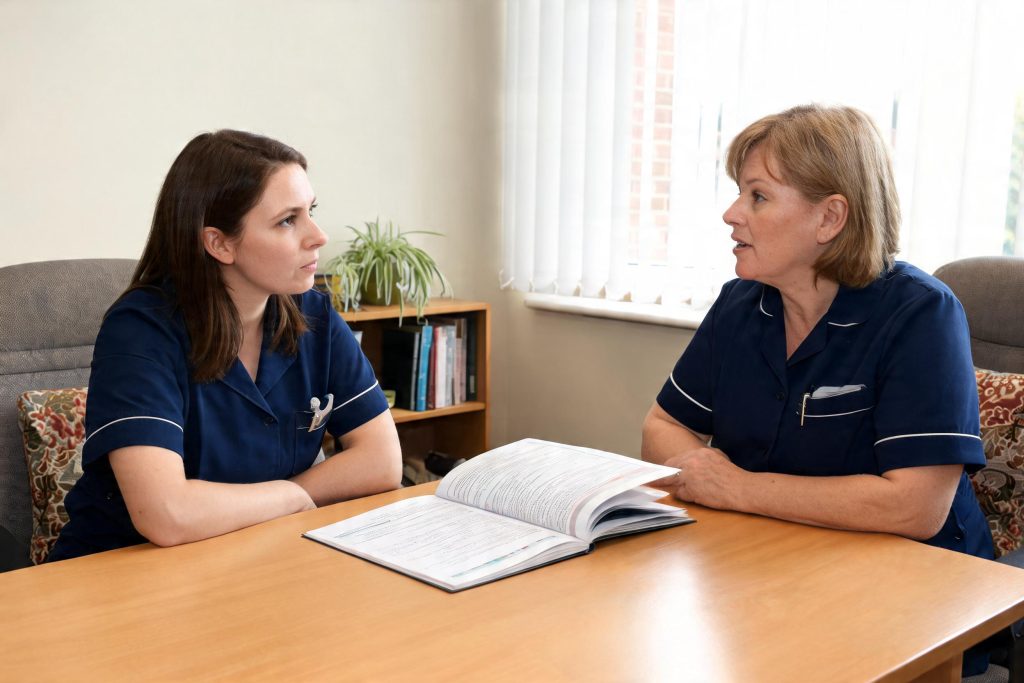
What safeguarding means
Safeguarding is the action taken to promote the welfare of children and adults at risk and protect them from harm. It covers:
- Protecting people from abuse, neglect and exploitation
- Preventing harm to their health or development
- Ensuring they can live free from fear and grow up, or age, safely
- Taking action to enable everyone to have the best outcomes
The key word is prevention. Safeguarding is proactive — building a culture and set of practices that stop harm happening. Child protection, and its adult equivalent, is the reactive part that responds when a specific person is identified as at risk.
Think of it as a pyramid. Safeguarding is the broad base — training, safe recruitment, clear policies, an open culture. Protection is the sharp point at the top, activated for an individual when a concern arises.
Who safeguarding applies to
Safeguarding duties centre on two groups:
Children
Anyone under 18. Safeguarding children is governed by the Children Acts 1989 and 2004, Working Together to Safeguard Children, and — in education — Keeping Children Safe in Education. See our guide to the designated safeguarding lead role.
Adults at risk
An adult at risk is someone aged 18 or over who has needs for care and support, is experiencing or at risk of abuse or neglect, and — because of their care needs — cannot protect themselves. This is governed by the Care Act 2014. It includes many people who would never describe themselves as vulnerable: an older person needing help at home, someone with a physical disability, a learning disability, a mental health condition, or a serious illness.
The two regimes have different laws, thresholds and language, and a professional working across both needs to understand each.
The types of abuse
Safeguarding training exists partly so people can recognise abuse, which is not always obvious. The commonly recognised types include:
- Physical abuse — hitting, restraint, misuse of medication
- Emotional or psychological abuse — threats, humiliation, control, isolation
- Sexual abuse
- Neglect — failing to meet basic needs, ignoring care or medical needs
- Financial or material abuse — theft, fraud, pressure over money or property
- Domestic abuse
- Discriminatory abuse — based on a protected characteristic
- Organisational abuse — poor care arising from the culture or practices of a service
- Modern slavery and human trafficking
- Self-neglect
For children, this also encompasses specific concerns such as child sexual and criminal exploitation, county lines, radicalisation, and female genital mutilation.

Who has safeguarding responsibilities
The honest answer is: far more people than realise it. Safeguarding is everyone’s responsibility in an organisation that works with children or adults at risk — not just designated leads. That includes:
- Teachers, teaching assistants and all school and college staff
- Care workers, nurses and healthcare staff
- Social workers
- Nursery and early years staff
- Sports coaches, youth workers and volunteers
- Anyone whose role brings them into contact with people at risk — including receptionists, cleaners, drivers and caterers, who often notice things others miss
Different roles need different levels of training. A broad awareness level for all staff; a higher level for those who act on concerns; and specialist training for the designated lead who carries responsibility for the organisation.
What everyone is expected to do
You do not need to investigate or prove anything. The universal expectations are simpler and more important than that:
- Recognise — know the signs that someone may be at risk
- Respond — react appropriately if someone discloses, listening without judging or promising confidentiality you cannot keep
- Record — write down what you saw or were told, factually, promptly
- Report — pass the concern to the designated safeguarding lead or the right authority, without delay
The single biggest safeguarding failure is not acting — assuming someone else will, or that a concern is too small to raise. It is always better to share a concern that turns out to be nothing than to stay silent about one that was something.
The designated safeguarding lead
Every organisation working with children or adults at risk should have a designated safeguarding lead (DSL) — a senior, trained person who takes lead responsibility, manages referrals, and supports staff. Everyone else needs to know who that person is and how to reach them. See our full guide to the designated safeguarding lead role and training.
The devolved picture
Safeguarding frameworks differ across the UK. England uses Working Together, KCSIE and the Care Act; Wales has the Social Services and Well-being (Wales) Act 2014; Scotland uses the GIRFEC approach and adult support and protection legislation; Northern Ireland has its own Safeguarding Board arrangements. Check the framework that applies where you work.
Further reading
- NSPCC Learning — Safeguarding and child protection
- SCIE — Safeguarding adults
- DfE — Keeping Children Safe in Education
Frequently asked questions
What is safeguarding?
Safeguarding is the action taken to promote the welfare of children and adults at risk and protect them from harm. It covers protecting people from abuse, neglect and exploitation, preventing harm to their health or development, and enabling them to live safely. It is proactive and preventative, running all the time — unlike child protection, which is the reactive response when a specific person is identified as at risk.
What is the difference between safeguarding and child protection?
Safeguarding is the wide, ongoing duty to promote welfare and prevent harm for everyone at risk. Child protection is the narrower part that activates when a specific child is at risk of, or suffering, harm. Safeguarding is the broad preventative base; protection is the targeted response for an individual.
Who is an adult at risk?
Under the Care Act 2014, an adult at risk is someone aged 18 or over who has needs for care and support, is experiencing or at risk of abuse or neglect, and because of their care needs cannot protect themselves. It includes many people who would not call themselves vulnerable — older people needing help at home, and people with a physical or learning disability, a mental health condition or a serious illness.
Whose responsibility is safeguarding?
Safeguarding is everyone’s responsibility in an organisation that works with children or adults at risk — not just designated leads. That includes teachers and support staff, care and healthcare workers, social workers, early years staff, coaches, youth workers and volunteers, and roles such as receptionists, drivers and caterers who often notice things others miss. Different roles need different levels of training.
What should I do if I have a safeguarding concern?
Recognise the signs, respond appropriately without judging or promising confidentiality you cannot keep, record what you saw or were told factually and promptly, and report the concern to the designated safeguarding lead or the right authority without delay. You do not need to investigate or prove anything. The biggest failure is not acting — it is always better to raise a concern that turns out to be nothing than to stay silent about one that was something.
What are the types of abuse in safeguarding?
Commonly recognised types include physical, emotional or psychological, sexual, neglect, financial or material, domestic, discriminatory, organisational, modern slavery, and self-neglect. For children this also includes specific concerns such as child sexual and criminal exploitation, county lines, radicalisation and female genital mutilation.
Safeguarding training
We run safeguarding courses at the level your role needs:
Safeguarding Children Level 1 · Safeguarding Adults Level 1 · DSL (Children) · DSL (Adults) · Safer Recruitment
Related reading: Designated safeguarding lead: the role and training
£9 per course. CPD accredited, 100 % online, verifiable e-certificate on completion. Pay for 2, get 3 — any 3 courses for £18.
Please note: this is a CPD-accredited awareness course and general information, not legal advice. It builds foundational safeguarding knowledge; where you carry a specific safeguarding role, additional role-specific and locally-delivered training is expected, and requirements differ across the UK nations. It is not an Ofqual-regulated qualification. If a child or adult is at immediate risk of harm, call 999.