
Legionella is a bacterium that lives, harmlessly, in almost every water system in the country. It only becomes dangerous when a system lets it multiply and then throws it into the air as a fine spray that someone breathes in. That is the whole risk in one sentence — and it is why legionella is a plumbing and temperature problem far more than a cleaning one.
This guide covers what legionella is, how it causes Legionnaires’ disease, where the risk actually sits in a building, and what UK law requires the person in charge to do about it.
What legionella actually is
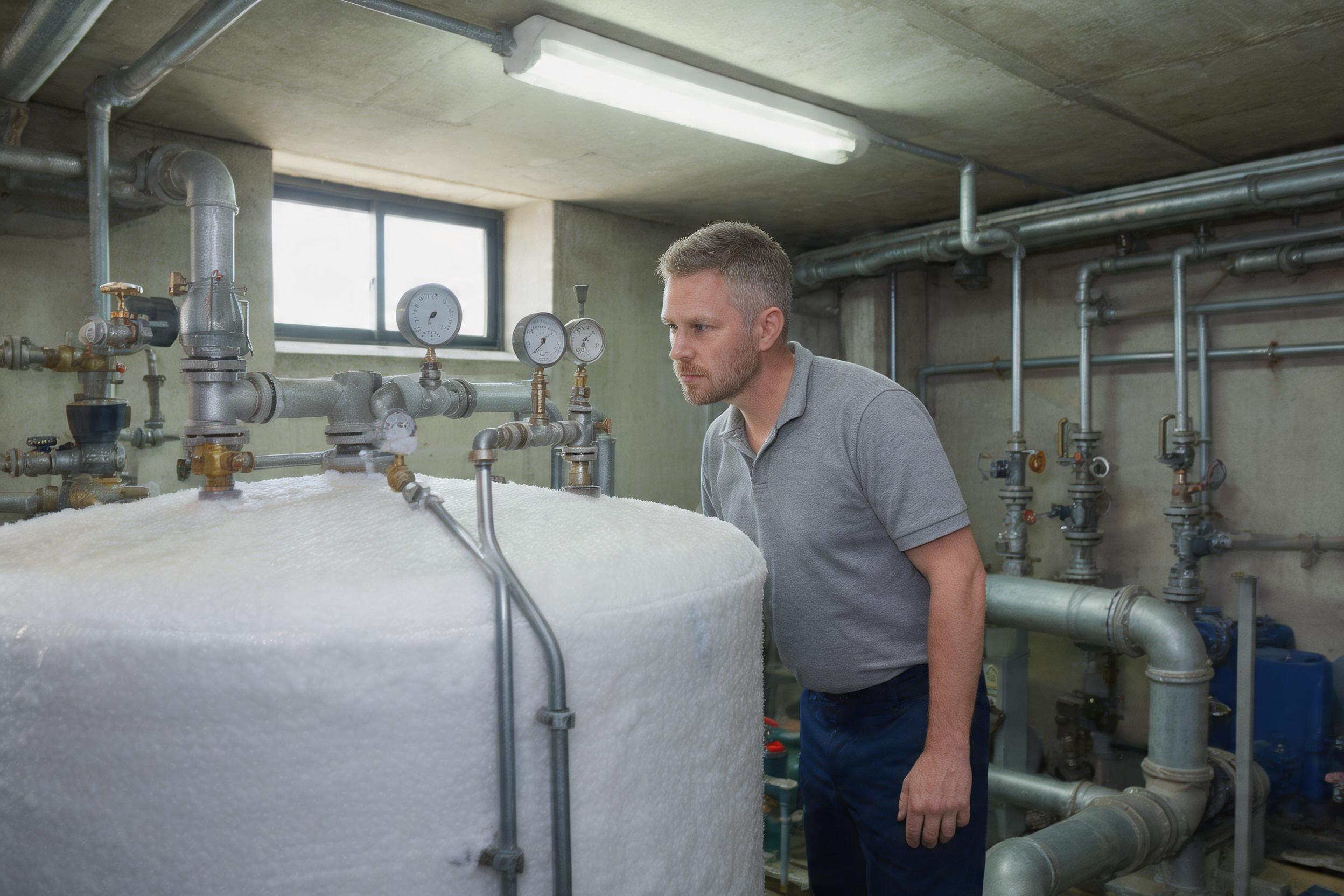
Legionella is a genus of bacteria found naturally in rivers, lakes and groundwater, usually at levels too low to matter. Problems begin when it enters a constructed water system — pipework, tanks, cooling towers, showers — and finds the conditions it needs to breed.
Those conditions are specific:
- Water between 20 °C and 45 °C. This is the growth range. Below 20 °C the bacteria are dormant; above 60 °C they do not survive. The band in between is the danger zone.
- Stagnation. Still water in dead legs, rarely-used outlets and oversized tanks gives the bacteria time to multiply.
- Nutrients. Rust, sludge, scale, biofilm and organic matter all feed it.
- A way to become airborne. Showers, spray taps, cooling towers, spa pools — anything that produces a breathable aerosol.
All four have to line up. Remove any one — keep the water hot or cold enough, keep it moving, keep the system clean, or remove the spray — and the risk drops sharply.
How it causes Legionnaires’ disease
You do not catch Legionnaires’ disease by drinking contaminated water. You catch it by inhaling airborne droplets small enough to reach deep into the lungs. That is why showers and sprays are the classic culprits and why a kettle is not.
Legionnaires’ disease is a potentially fatal form of pneumonia. Symptoms usually appear 2 to 10 days after exposure and include high fever, chills, cough, muscle aches, and shortness of breath. It is treatable with antibiotics, but it can be severe, and it kills a proportion of those who contract it.
Some people are far more vulnerable than others. The risk is higher for:
- People over 45, and especially the elderly
- Smokers and heavy drinkers
- Anyone with chronic respiratory or kidney disease
- People with diabetes, cancer, or a weakened immune system
The same condition also produces a milder, flu-like illness called Pontiac fever, which clears up on its own — but the presence of Pontiac fever means the system is producing infectious aerosol, and the next person exposed may not be so lucky.
Where the risk sits in a building
Legionella risk is not spread evenly. It concentrates in specific, predictable places:
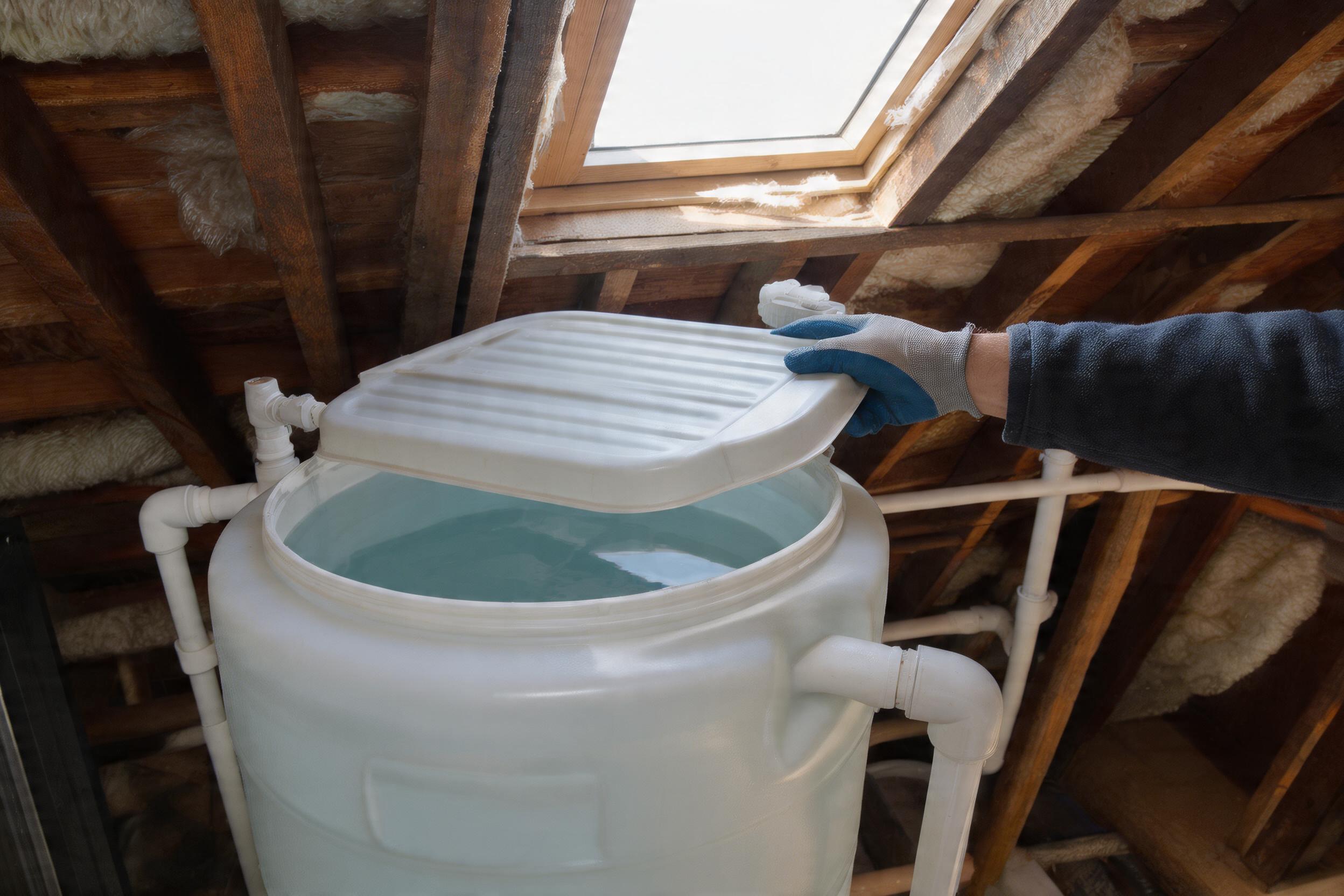
- Hot water stored below 60 °C — the tank sits in the growth range
- Cold water warmed above 20 °C — tanks in warm plant rooms, pipes run alongside heating
- Dead legs and blind ends — sections of pipe with no flow, left over from removed fittings
- Little-used outlets — the shower in the spare changing room, the tap nobody turns on
- Showerheads and spray taps — scale and biofilm, plus the aerosol to deliver it
- Cooling towers and evaporative condensers — the highest-risk systems of all, responsible for the largest outbreaks
- Spa pools, hot tubs and decorative fountains — warm, aerosol-producing, often poorly maintained
What the law requires
There is no single “Legionella Act”. The duty is built from several pieces:
- Health and Safety at Work etc. Act 1974 — the general duty to protect employees and others so far as reasonably practicable.
- COSHH Regulations 2002 — legionella is a biological agent hazardous to health, so the COSHH duty to assess and control applies. See what COSHH covers.
- Management of Health and Safety at Work Regulations 1999 — the general risk assessment duty. See how risk assessment works.
- ACOP L8 — the Approved Code of Practice, Legionnaires’ disease: The control of legionella bacteria in water systems. It has special legal status: follow it and you are deemed compliant; depart from it and you must show you achieved the same standard another way.
- HSG274 — the supporting technical guidance, in three parts: cooling towers (Part 1), hot and cold water systems (Part 2), and other risk systems such as spa pools (Part 3).
The person who carries these duties is the duty holder — the employer, or whoever is in control of the premises or the water system. In a rented building the split between landlord and tenant should be spelled out in the lease. If it is not, both may be exposed.
What the duty holder must actually do
ACOP L8 sets out a clear sequence:
- Identify and assess the risk — a legionella risk assessment of the whole water system.
- Appoint a responsible person — a named, competent individual to manage the control scheme.
- Prepare a written control scheme — how the risk will be prevented or controlled, with the specific measures for your system.
- Implement and manage it — temperature monitoring, flushing of little-used outlets, cleaning and disinfection where needed.
- Keep records — of the assessment, the scheme, and every monitoring check, retained for at least five years.
- Review — regularly, and whenever the system or its use changes.
Full detail on the assessment itself is in our companion guide, legionella risk assessment: who needs one and what it covers, and the practical temperature regime is in legionella control in water systems.
Common misconceptions
- “It’s only a problem in big industrial buildings.” Cooling towers cause the biggest outbreaks, but domestic-scale hot and cold water systems in offices, care homes, gyms, schools, landlord-let properties and small businesses all carry risk and all fall under the duty.
- “We had a risk assessment done years ago, so we’re covered.” The assessment must be reviewed and kept current. An out-of-date assessment is evidence of a lapsed system, not a managed one.
- “You can catch it from drinking water.” No — the route is inhaling aerosol. That is why the controls focus on temperature, stagnation and sprays.
- “Turning the thermostat up fixes it.” Hotter water controls legionella but raises the scalding risk, which is why thermostatic mixing valves and a proper balance are needed — not just a hotter tank.
- “It’s the plumber’s responsibility.” The legal duty sits with the duty holder. Contractors carry out the work; they do not absorb the liability.
Further reading
- HSE — Legionnaires’ disease
- HSE ACOP L8 — The control of legionella bacteria in water systems
- NHS — Legionnaires’ disease
Frequently asked questions
What is legionella?
Legionella is a genus of bacteria found naturally in water. It becomes dangerous when a constructed water system lets it multiply — in water between 20°C and 45°C, with stagnation and nutrients present — and then produces a breathable aerosol, for example from a shower or cooling tower. Inhaling that aerosol can cause Legionnaires’ disease.
How do you catch Legionnaires’ disease?
By inhaling small airborne water droplets that contain the bacteria, typically from showers, spray taps, cooling towers or spa pools. You cannot catch it by drinking contaminated water, and it does not spread from person to person. Legionnaires’ disease is a potentially fatal pneumonia; symptoms appear 2 to 10 days after exposure.
At what temperature does legionella grow?
Legionella multiplies in water between 20°C and 45°C. Below 20°C it is dormant and above 60°C it does not survive. This is why control relies on keeping hot water hot (stored at 60°C or above) and cold water cold (below 20°C), and on removing stagnation where water sits in the growth range.
Who is legally responsible for controlling legionella?
The duty holder — the employer or whoever is in control of the premises or the water system. The duty is built from the Health and Safety at Work Act 1974, the COSHH Regulations 2002, and the Approved Code of Practice ACOP L8, supported by the technical guidance HSG274. In rented premises the split of responsibility should be defined in the lease.
Is legionella only a risk in large buildings?
No. Cooling towers cause the largest outbreaks, but ordinary hot and cold water systems in offices, care homes, gyms, schools, let residential properties and small businesses all carry risk and all fall under the legal duty to assess and control legionella.
Legionella awareness training
Our Legionella Awareness course covers how legionella grows, where the risk sits in a building, the duty holder and responsible person roles, and the principles of a control scheme.
Related: COSHH Awareness · Risk Assessment Awareness · Legionella risk assessment guide · Legionella control in water systems
£9 per course. CPD accredited, 100 % online, verifiable e-certificate on completion. Pay for 2, get 3 — any 3 courses for £18.
Important: this is a CPD-accredited awareness course and general information, not medical or legal advice. It builds underpinning knowledge of legionella and the control framework. It does not by itself make someone competent to carry out a legionella risk assessment or design a control scheme for a complex water system — those may require additional specialist training and experience appropriate to the system. If you are concerned you may have Legionnaires’ disease, contact NHS 111 or your GP.