
A confined space is not simply a small or enclosed area — in law it is defined by the risk of serious injury from specific hazards, and confined spaces kill workers every year, often because the space did not look dangerous. A shallow pit, an unventilated basement or a large tank can all be deadly. Worse, most who die are would-be rescuers who rushed in without protection.
This guide explains the legal definition of a confined space, the dangers, and what the law requires before anyone enters one.
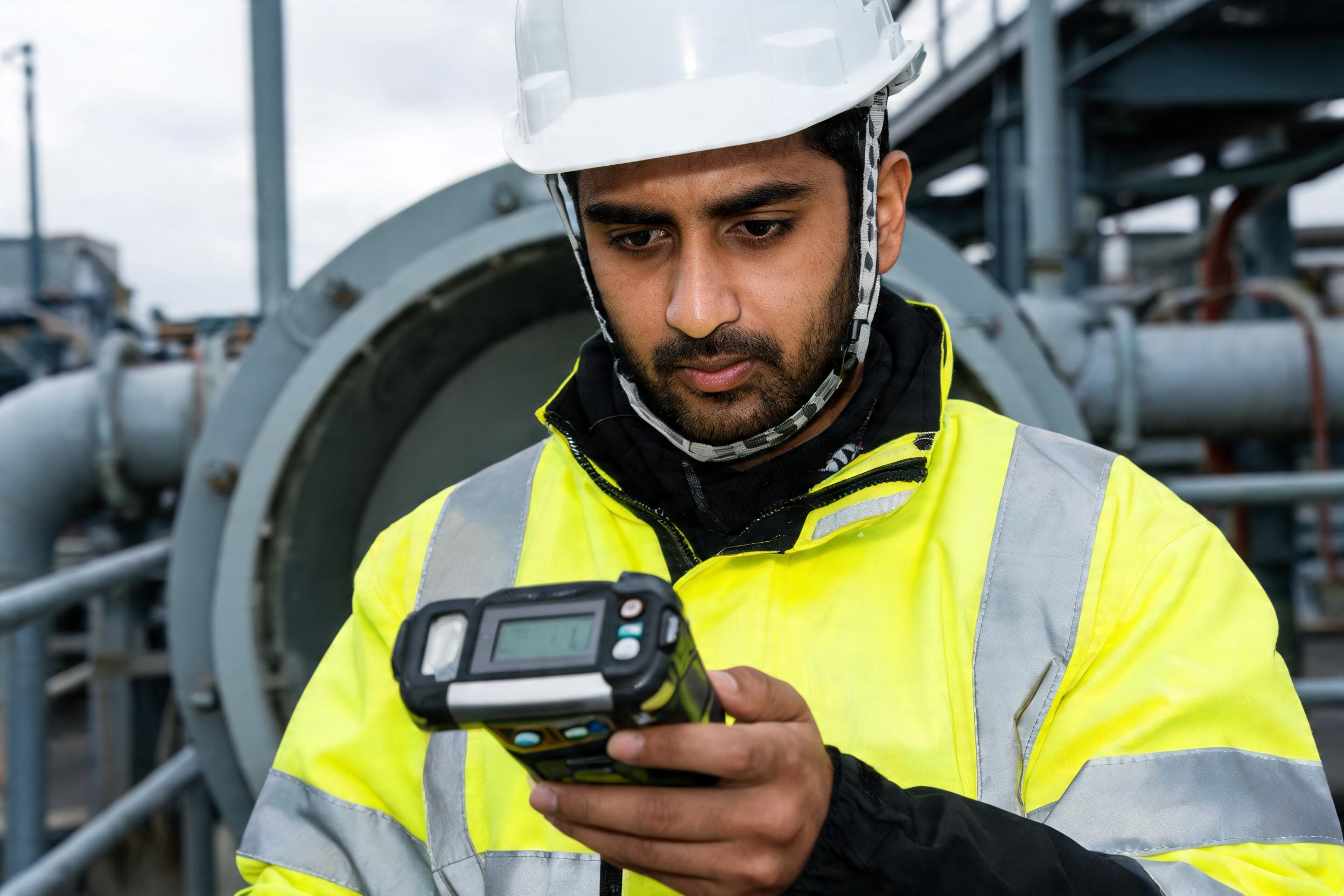
What counts as a confined space?
Under the Confined Spaces Regulations 1997, a confined space is a place that is substantially (though not always entirely) enclosed AND where there is a reasonably foreseeable risk of serious injury from one or more specified hazards. Both parts must apply — it is the risk, not just the size, that makes a space “confined” in law.
Common examples include tanks, silos, vessels, sewers, drains, ducts, pits, wells, enclosed chambers and poorly ventilated rooms. Some are obvious; others, like an open-topped pit or a large vat, are not.
The specified risks
A space is confined if it carries a foreseeable risk of:
- Serious injury from fire or explosion
- Loss of consciousness from an increase in body temperature
- Loss of consciousness or asphyxiation from gas, fume, vapour or lack of oxygen
- Drowning from a rise in the level of a liquid
- Asphyxiation from a free-flowing solid (such as grain or sand) or being unable to reach breathable air due to entrapment
Why confined spaces are so dangerous
The dangers are often invisible:
- Toxic or flammable atmospheres — gases can build up from the work itself, from residues, or from decay.
- Oxygen deficiency (or enrichment) — oxygen can be displaced by other gases or consumed by rusting and reactions; too little, and a person collapses within seconds.
- Engulfment — free-flowing solids or liquids can bury or drown a worker.
- Restricted access — a narrow entry that makes escape and rescue slow and difficult.
Crucially, a large proportion of confined-space deaths are rescuers — colleagues who enter to help without breathing apparatus and are overcome by the same atmosphere. This is why a rescue plan is not optional.
What the law requires
The Regulations set a clear order of priority:
- Avoid entry if at all possible — can the work be done from outside? Most confined-space fatalities involve entries that were not truly necessary.
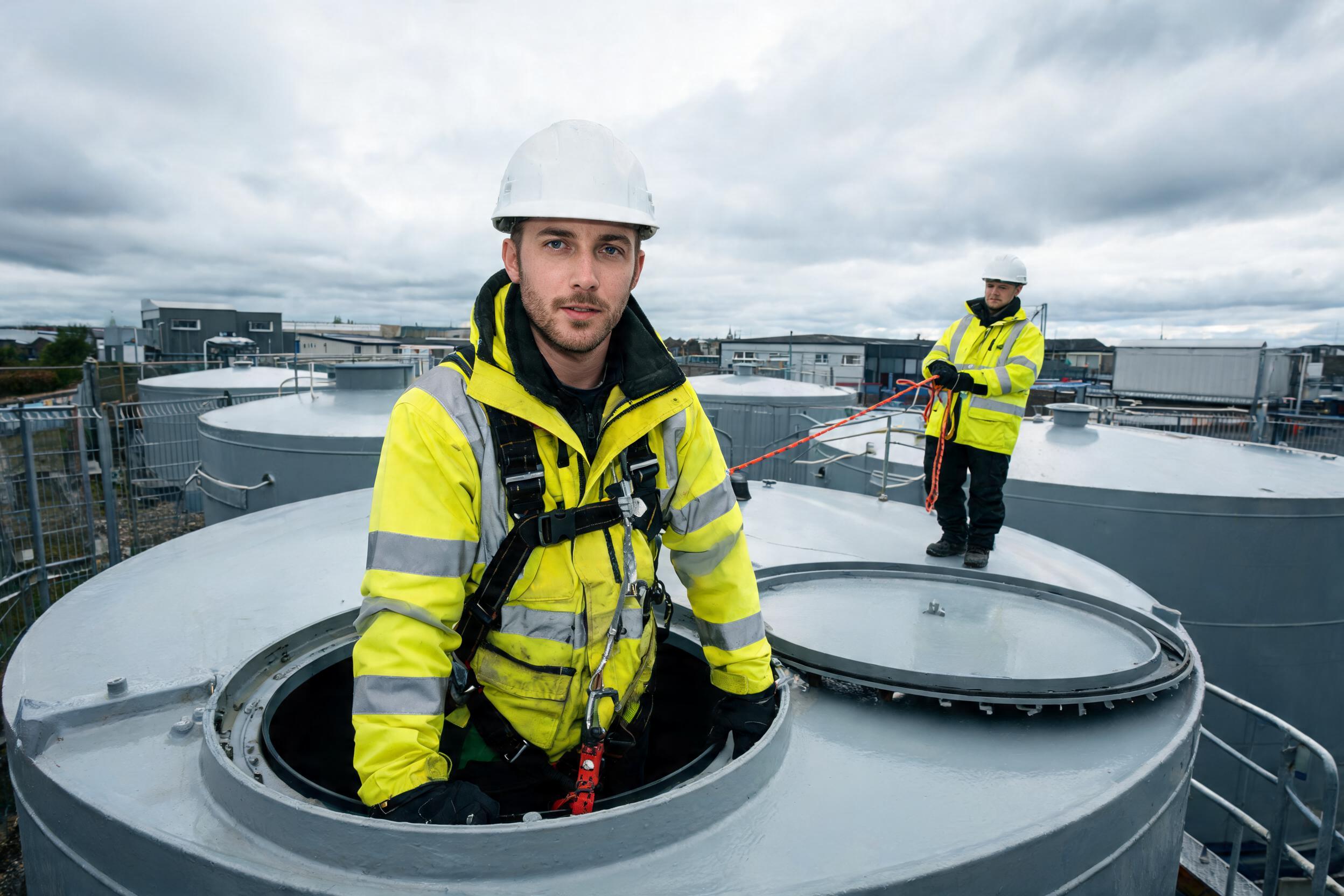
- If entry is unavoidable, use a safe system of work — based on a thorough risk assessment. This typically includes a permit-to-work, testing and monitoring the atmosphere, ventilation, correct equipment, trained competent workers, and communication.
- Put emergency arrangements in place before entry begins — a workable rescue plan with the right equipment, so no one has to improvise. You cannot simply rely on calling 999.
Who needs to understand this?
Anyone who may work in or near confined spaces — in construction, utilities, agriculture, maintenance, cleaning and many other industries — plus the managers and supervisors who plan the work. Recognising that a space is “confined” in the legal sense is the first and most important step. It also overlaps with lone working: confined-space work should never be done alone, and serious incidents are reportable under RIDDOR.
Further reading
Frequently asked questions
What is a confined space?
Under the Confined Spaces Regulations 1997, a confined space is a place that is substantially enclosed and where there is a reasonably foreseeable risk of serious injury from specified hazards. It is the risk, not just the size, that makes a space confined in law. Examples include tanks, silos, sewers, drains, ducts, pits, wells and poorly ventilated rooms.
What are the specified risks that define a confined space?
A space is confined if there is a foreseeable risk of serious injury from fire or explosion; loss of consciousness from an increase in body temperature; loss of consciousness or asphyxiation from gas, fume, vapour or lack of oxygen; drowning from a rise in liquid level; or asphyxiation from a free-flowing solid such as grain or sand, or being unable to reach breathable air due to entrapment.
Why are confined spaces so dangerous?
The dangers are often invisible: toxic or flammable atmospheres can build up from the work, residues or decay; oxygen can be displaced or consumed, causing collapse within seconds; free-flowing solids or liquids can engulf a worker; and narrow access makes escape and rescue difficult. A large proportion of confined-space deaths are would-be rescuers who enter without breathing apparatus and are overcome by the same atmosphere.
What does the law require for confined space work?
The Confined Spaces Regulations 1997 set a priority order: avoid entry if at all possible by doing the work from outside; if entry is unavoidable, use a safe system of work based on a risk assessment (typically a permit-to-work, atmosphere testing and monitoring, ventilation, correct equipment, trained workers and communication); and put workable emergency and rescue arrangements in place before entry begins. You cannot simply rely on calling 999.
Does confined space awareness training qualify you to enter a confined space?
No. Awareness training builds understanding of confined-space hazards and the law, but it does not qualify anyone to enter a confined space. Entry requires role-specific practical training, assessed competence, and often specialist equipment and rescue provision, and workers must always follow their employer’s safe system of work.
Confined space awareness training
Our Confined Space Awareness course covers the legal definition, the specified risks, the dangers, and the safe-system-of-work principles for confined-space entry.
Related: What is a risk assessment? · Is lone working legal? · What is RIDDOR?
£9 per course. CPD accredited, 100 % online, verifiable e-certificate on completion. Pay for 2, get 3 — any 3 courses for £18.
Please note: this is a CPD-accredited awareness course and general information. It builds understanding of confined-space hazards and the law; it does not qualify anyone to enter a confined space, which requires role-specific practical training, competence, and often specialist equipment and rescue provision. Always follow your employer’s safe system of work. It is not an Ofqual-regulated qualification.