
There is no law that bans working alone, and no law that says someone must never be left on their own to work. But an employer’s duty to protect a lone worker is exactly the same as for everyone else — and a few tasks legally cannot be done alone at all. Lone working is legal; doing it without thinking about the risks is where employers get caught out.
This guide explains what lone working is, whether it is legal, what the law expects of employers, and how to assess and control the risks.
What lone working is
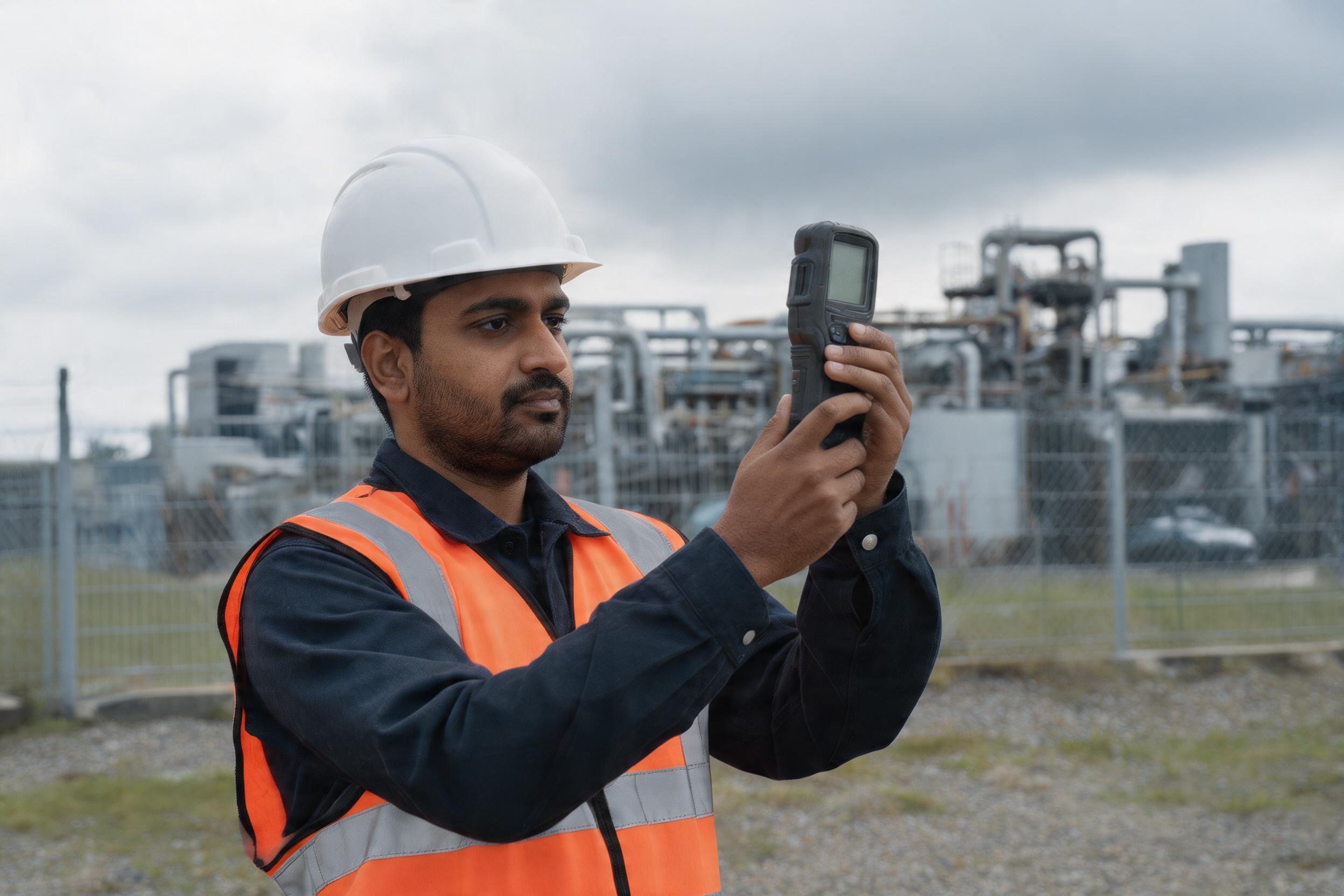
A lone worker is anyone who works by themselves without close or direct supervision. It is a far bigger group than people realise. It includes:
- Mobile workers — care workers, engineers, delivery drivers, surveyors, sales reps
- People working alone at a fixed site — a lone receptionist, a petrol-station attendant, a security guard, a cleaner
- Homeworkers
- People working outside normal hours — early, late, or through the night
If someone spends part of their working time out of sight and earshot of colleagues, they are a lone worker for that time.
Is lone working legal?
Yes. Lone working is legal, and for most jobs it is perfectly safe when it is properly managed. There is no general legal prohibition on working alone.
However, the Health and Safety at Work etc. Act 1974 and the Management of Health and Safety at Work Regulations 1999 require employers to protect the health and safety of all their workers — and lone workers face some risks that others do not. So the employer must take the extra steps that lone working demands. A small number of high-risk activities are also legally required to have more than one person present, such as certain confined-space entry and some work on live electrical systems.
The specific risks of working alone
What makes lone working different is not usually the task — it is that there is no one there to help if something goes wrong. The main risks are:
- Violence and aggression — particularly for people who visit the public’s homes, handle money, or work in public-facing roles alone.
- Accidents and medical emergencies — a fall, a sudden illness or an injury with no colleague to raise the alarm or give first aid.
- Inability to summon help — poor phone signal, remote locations, or simply no one knowing where the person is.
- Stress and isolation — the mental health impact of working without support or contact.
The lone worker risk assessment
The law does not spell out exactly what you must do for lone workers — instead it requires you to assess the risks and act on them. A lone worker risk assessment should ask:
- Can this task safely be done by one person, or does it genuinely need two?
- What is the risk of violence, and does the location or activity increase it?
- Could the person get out safely in an emergency — fire, breakdown, illness?
- Is there a medical condition that makes working alone riskier for this individual?
- How will the worker call for help, and how will anyone know if they do not check in?
How to control the risks
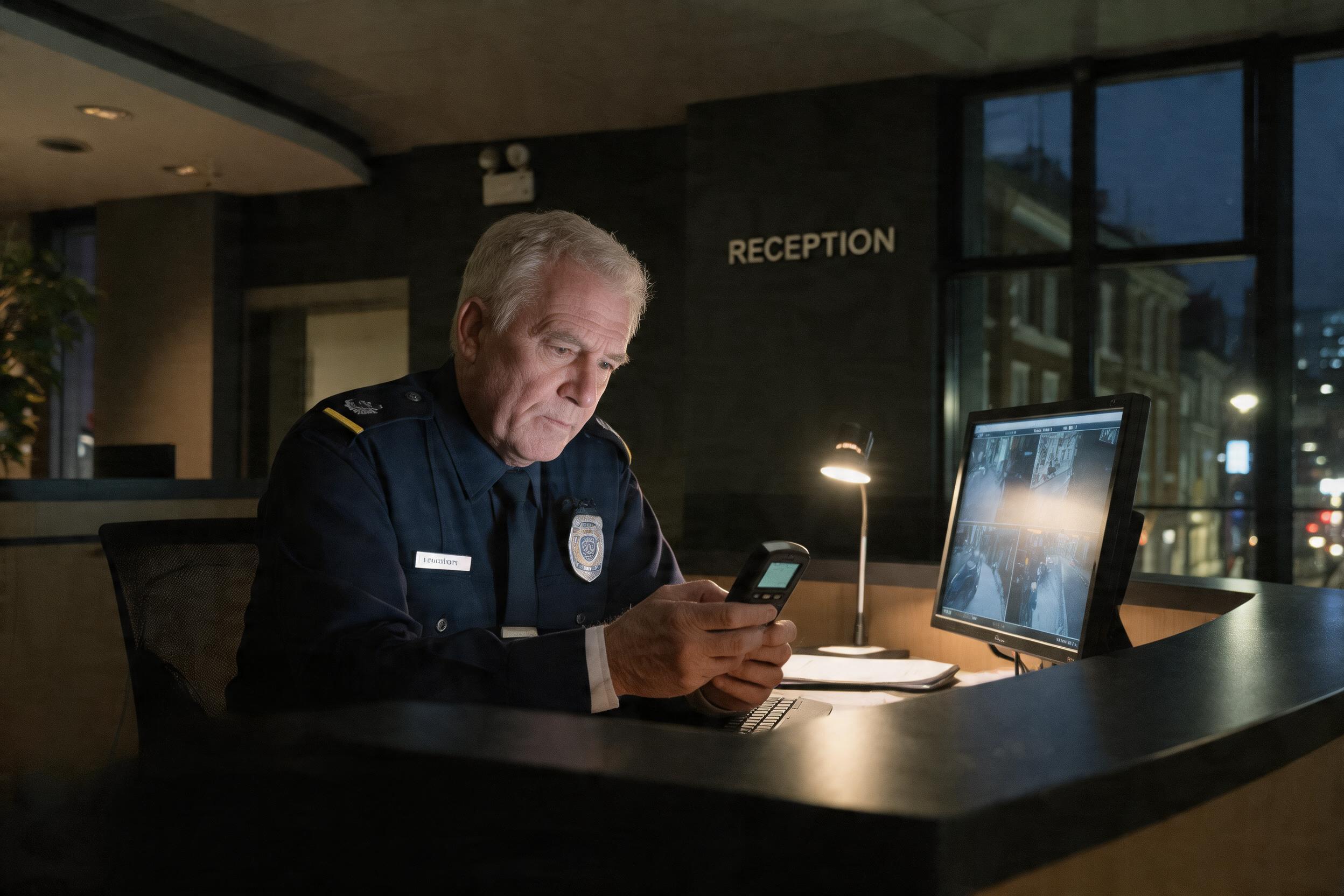
Once you know the risks, the controls are usually straightforward and low-cost:
- Check-in systems — agreed times for the worker to make contact, and a clear escalation plan if they miss one.
- Lone worker devices and apps — with panic alarms, GPS location and automatic “man-down” alerts.
- Training — how to spot and de-escalate aggression, dynamic risk assessment on the doorstep, and when to walk away.
- Planning — sharing itineraries, avoiding unnecessary lone visits to higher-risk situations, and keeping first-aid provision in mind.
- Reporting — a culture where near-misses and incidents are reported so risks are managed, not repeated. Serious incidents may also be reportable under RIDDOR.
The aim is simple: make sure that if something goes wrong, someone knows quickly and help is on the way.
Further reading
- HSE — Protecting lone workers
- HSE INDG73 — Protecting lone workers: How to manage the risks
- Management of Health and Safety at Work Regulations 1999
Frequently asked questions
What is a lone worker?
A lone worker is anyone who works by themselves without close or direct supervision. This includes mobile workers such as care workers, engineers and delivery drivers; people working alone at a fixed site such as a lone receptionist or security guard; homeworkers; and people working outside normal hours. If someone spends part of their working time out of sight and earshot of colleagues, they are a lone worker for that time.
Is lone working legal in the UK?
Yes. Lone working is legal and, for most jobs, safe when properly managed — there is no general legal ban on working alone. However, employers must protect lone workers under the Health and Safety at Work etc. Act 1974 and the Management of Health and Safety at Work Regulations 1999. A small number of high-risk activities, such as certain confined-space entry and some live electrical work, do legally require more than one person to be present.
What are the main risks of lone working?
The defining risk is that no one is there to help if something goes wrong. The main risks are violence and aggression (especially for public-facing roles or home visits), accidents and medical emergencies with no colleague to raise the alarm, being unable to summon help due to poor signal or remote locations, and the stress and isolation of working without support.
What should a lone worker risk assessment cover?
It should ask whether the task can safely be done by one person or genuinely needs two, what the risk of violence is, whether the person could get out safely in an emergency, whether any medical condition makes working alone riskier for that individual, and how the worker will call for help and how anyone will know if they fail to check in. The employer must then act on what the assessment finds.
How can employers keep lone workers safe?
Common controls include check-in systems with agreed contact times and an escalation plan for missed check-ins; lone worker devices or apps with panic alarms, GPS and man-down alerts; training in spotting and de-escalating aggression; planning that shares itineraries and avoids unnecessary higher-risk lone visits; and a reporting culture so near-misses and incidents are managed rather than repeated.
Lone working awareness training
Our Lone Working Awareness course covers the risks of working alone, how to stay safe, and what both workers and employers should have in place.
Related: What is a risk assessment? · What is a DSE assessment? · What is RIDDOR?
£9 per course. CPD accredited, 100 % online, verifiable e-certificate on completion. Pay for 2, get 3 — any 3 courses for £18.
Please note: this is a CPD-accredited awareness course and general information, not legal advice or a substitute for a workplace risk assessment carried out for a specific role or individual. Some high-risk activities legally require more than one person present — always follow the relevant specific regulations. It is not an Ofqual-regulated qualification.