
You do not need a licence or any qualification to work as a hairdresser or barber in England. The Hair Council, the statutory body set up by the Hairdressers (Registration) Act 1964, says so itself: anyone can practise as a hairdresser or barber with no training or qualifications, and registration with the Council is voluntary. What the law does require is safe working: employers must give staff information, instruction and training on the hazardous products they use under COSHH, and some beauty treatments, such as tattooing, cosmetic piercing and electrolysis, need registration or a licence from the local authority.
That leaves a sector where training is driven far more by insurers, employers and clients than by statute. This guide sets out what is actually law for hairdressers, barbers and beauty therapists in England, how Wales and Scotland differ, where the rules on non-surgical cosmetic procedures stand, and the training that protects your skin, your clients and your business.
At a glance: Nexis CPD offers £9 CPD-accredited online awareness courses relevant to salons, including COSHH Awareness, Infection Prevention and Control and Workplace First Aid, each with a verifiable e-certificate, and any three courses cost £18. They are not hairdressing or beauty qualifications.
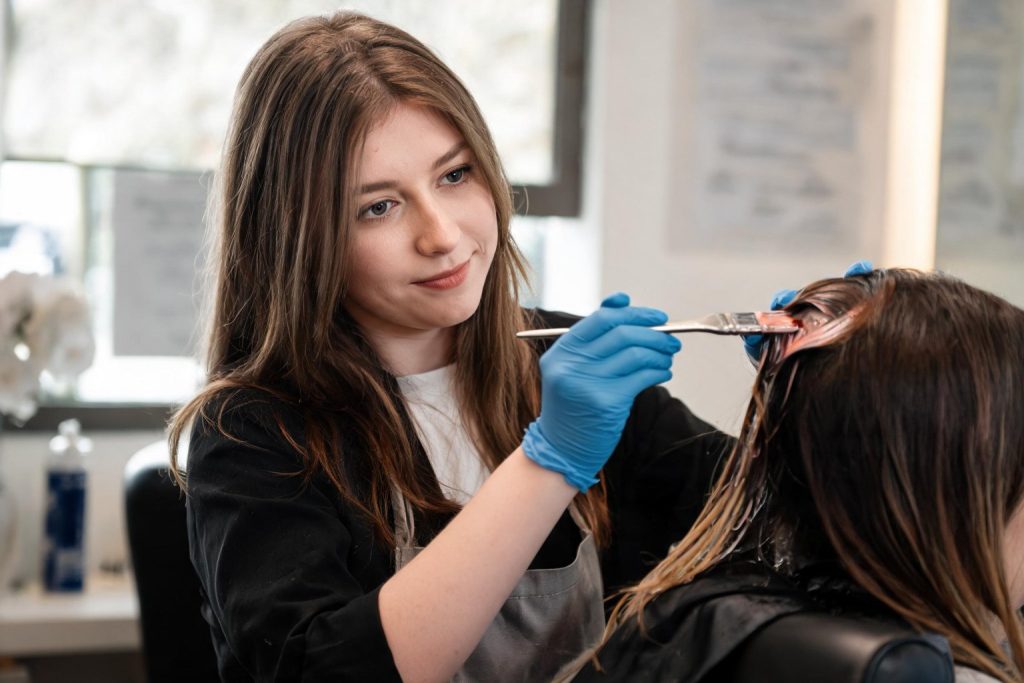
Do you need a qualification to be a hairdresser in the UK?
No. The Hairdressers (Registration) Act 1964 created a register of hairdressers maintained by the Hairdressing Council, now known as the Hair Council, for people who are entitled to be on it and who apply. The Act does not make it an offence to work without registering, and we have found nothing in it that protects the title “hairdresser”.
The Hair Council describes itself as the only statutory authority in Great Britain for hair and barber professionals, and it is campaigning for registration to become mandatory, supporting a Presentation Bill to that effect. Until that happens, State Registration is a voluntary mark of standing rather than a licence to work.
In practice, most salons expect a recognised qualification, most insurers want evidence of training for the treatments you offer, and clients increasingly check. But the absence of a legal requirement matters, because it means the training that is required by law is easy to overlook.
What training does the law require in a salon?
COSHH: the main legal training duty
Salons use a wide range of substances hazardous to health: hair dyes and bleaches, perm solutions, relaxers, acrylic and gel nail products, disinfectants, and the shampoo and water that cause most skin problems. The Control of Substances Hazardous to Health Regulations 2002 apply to all of them.
Regulation 12 says every employer who undertakes work which is liable to expose an employee to a substance hazardous to health shall provide that employee with suitable and sufficient information, instruction and training. That includes the substances and their risks, safety data sheets, the findings of the COSHH risk assessment, the precautions to take, and the results of any monitoring and health surveillance.
For a salon owner with staff, this is a genuine legal duty, and it sits alongside the duty to carry out a COSHH risk assessment. Self-employed stylists renting a chair are not employers of themselves in the same way, but the same knowledge protects their own health. Our guides to what COSHH is and COSHH training requirements cover the regulations in detail.
Why skin matters most
HSE’s guidance for hairdressers explains that frequent contact with water and shampoo can irritate the skin, leading to dermatitis, and that some hairdressing and cleaning products can cause dermatitis and skin allergies. HSE’s skin FAQs add that hairdressers are more prone to developing dry, cracked skin, which can be an early sign of dermatitis.
HSE’s practical advice is specific:
- Wear disposable non-latex gloves for shampooing, colouring and bleaching.
- Change your gloves between clients.
- Dry your hands thoroughly and moisturise, and check your skin regularly for early signs of damage.
Dermatitis is worth taking seriously because allergic reactions to products can develop over time and, once they do, can make it very difficult to keep working with those products. Where there is a risk of work-related dermatitis, employers should also consider whether health surveillance is needed, which in a salon usually means regular skin checks by a trained person.

Other general duties
Salons are workplaces like any other, so the general health and safety framework applies: fire safety training under the Regulatory Reform (Fire Safety) Order 2005, first aid arrangements proportionate to the risks, electrical safety for dryers and straighteners, and manual handling for deliveries and stock. See first aid training requirements for what a small workplace needs.
Do beauty therapists need a licence?
It depends entirely on the treatment and where you work.
England: local authority registration for some treatments
Under section 15 of the Local Government (Miscellaneous Provisions) Act 1982, in any area where the council has adopted the provisions, a person shall not carry on the business of tattooing, semi-permanent skin-colouring, cosmetic piercing or electrolysis unless registered by the local authority. Section 14 does the same for acupuncture. Councils can make byelaws covering the cleanliness of premises and practitioners and the sterilisation of instruments, and trading unregistered is an offence.
Because these provisions only apply where a council has adopted them, the practical rule is to check with your local council’s licensing or environmental health team before offering any skin-penetrating treatment.
England: non-surgical cosmetic procedures
Section 180 of the Health and Care Act 2022 gave the government power to introduce a licensing scheme for non-surgical cosmetic procedures such as botulinum toxin and dermal fillers. The government consulted in September 2023 and published its response in August 2025. It said it would prioritise legislation so that the highest-risk procedures, including breast, buttock and genital augmentation with dermal fillers, can only be performed by suitably qualified regulated healthcare professionals, regulated by the CQC, while developing local authority licensing for lower-risk procedures, with a minimum age of 18 unless a doctor approves.
At the time of writing, the scheme is not in force. The government said further consultation would follow and the final scheme will be debated in Parliament before implementation. Anyone offering or planning to offer aesthetics should follow its progress closely, because it will change who can legally provide which treatments.
Wales: special procedure licensing is in force
Wales is further ahead. Since 29 November 2024, under Part 4 of the Public Health (Wales) Act 2017 and the Special Procedure Licences (Wales) Regulations 2024, anyone who performs acupuncture (including dry needling), body piercing, electrolysis or tattooing must hold a personal special procedure licence, and premises need an approval certificate. The Welsh Government says applicants must hold a regulated Level 2 Award in Infection Prevention and Control for Special Procedures Practitioners, and first aid knowledge is tested at the application interview.
Scotland
In Scotland, businesses providing skin piercing or tattooing have needed a licence under the Civic Government (Scotland) Act 1982 since 2006. A new Non-surgical Procedures and Functions of Medical Reviewers (Scotland) Act 2026 covering injectable procedures was passed in 2026 but is not yet in force.
Infection control in salons
Every treatment that involves tools touching skin, nails or hair carries some infection risk, and treatments that break the skin carry much more. Clean tools between clients, single-use items where appropriate, proper disinfection of reusable equipment, and knowing when not to treat, such as broken skin or signs of infection, are the foundations. The Welsh licensing scheme’s requirement for a Level 2 infection control award shows how seriously regulators treat this for skin-penetrating work. See what is infection prevention and control.
Barbers: the same rules, some different risks
Everything above applies equally to barbers. The Hair Council’s register covers barbers as well as hairdressers, registration is equally voluntary, and COSHH applies to the products barbers use, including disinfectants, beard dyes and chemical straighteners.
The risks tilt differently, though. Barbers use clippers, razors and blades on skin every day, so cuts, blood and the cleaning of tools between clients matter more. Single-use blades, disinfection of clippers and guards, and a clear approach to nicks and bleeding are the practical core of infection control in a barbershop. Straight-razor shaves in particular bring skin-breaking risk closer to the treatments that councils regulate, so good hygiene practice is not optional even where no licence applies.
Nail technicians
Nail technicians work closely with some of the most concentrated products in the sector: acrylic liquids and powders, gels, primers, adhesives and solvent-based removers. All of them fall under COSHH. The practical issues are vapour and dust in small, often poorly ventilated rooms, and skin contact with uncured products, which can cause allergic reactions for both technicians and clients. A COSHH assessment for a nail bar should look at ventilation, dust from filing, safe storage of flammable products, and gloves, and staff should know what the safety data sheets say about the products at their station.
What salon owners should keep on file
Because so little of salon training is prescribed by law, the salons that cope best with an insurance claim, a complaint or an environmental health visit are the ones that can show what they did. A practical file includes:
- A COSHH assessment covering the products you actually use, with safety data sheets kept to hand.
- Training records for each member of staff: product training, COSHH, gloves and skin care, infection control, and fire safety.
- A glove and skin policy that staff know and follow, and a record of any skin checks.
- Patch test and consultation records for colour and other treatments where manufacturers or insurers require them.
- Registration or licence certificates for any treatments that need them, displayed where the law requires.
- Insurance documents showing which treatments are covered and what training the insurer expects.
None of that is complicated, and most of it takes less time to set up than one difficult conversation with a client whose reaction you cannot show you tried to prevent.
Five common misconceptions about salon training
“You need a licence to cut hair”
Not in England. Registration with the Hair Council is voluntary, though the Council is campaigning to change that.
“COSHH is for factories”
COSHH applies to any workplace using hazardous substances. Hair dyes, bleaches, nail products and disinfectants are exactly that, and regulation 12 requires employers to train staff on them.
“Gloves are optional for experienced stylists”
HSE’s advice is to wear disposable non-latex gloves for shampooing, colouring and bleaching, and to change them between clients. Experience does not make skin less susceptible to dermatitis; years of exposure is often how it starts.
“Aesthetics licensing is already in force in England”
Not yet. The government has set out its approach, but the scheme still needs further consultation and parliamentary approval.
“Rules are the same across the UK”
They are not. Wales requires personal licences and an infection control award for tattooing, piercing, electrolysis and acupuncture; Scotland licenses tattooing and piercing businesses; England relies on local authority registration where adopted.
A practical training checklist for salons
- Your core qualification for the services you offer, which is what clients, employers and insurers expect even though the law does not require it for hairdressing.
- COSHH training for every member of staff who handles products, backed by a written COSHH assessment.
- Skin care and gloves: a clear salon policy, and skin checks where dermatitis is a risk.
- Infection control, especially for any treatment that breaks or penetrates the skin.
- Local authority registration or licensing before offering tattooing, piercing, semi-permanent make-up, electrolysis or acupuncture.
- First aid and fire safety arrangements proportionate to the salon.
- Insurance: check your policy covers every treatment on your price list, with the training your insurer specifies.
Which courses suit salons?
For salon owners and staff wanting structured awareness of the legal and safety topics above:
- COSHH Awareness: hazardous products, safety data sheets, gloves and dermatitis (see COSHH symbols explained)
- Infection Prevention and Control Awareness: hand hygiene, cleaning and decontamination of tools and surfaces
- Workplace First Aid: awareness of what to do in a first aid emergency
Those three together cost £18 rather than £27, because any three courses trigger the pay-for-2-get-3 offer. Add them to the cart and the discount applies automatically. Salons also often add Fire Safety Awareness and Customer Service Skills.
Said plainly: these are CPD awareness courses. They are not hairdressing, barbering or beauty qualifications, they do not meet the Welsh regulated Level 2 infection control requirement for special procedures, and they do not qualify anyone to carry out aesthetic or skin-penetrating treatments.
Frequently asked questions
Do you need a qualification to be a hairdresser in England?
No. Registration with the Hair Council under the Hairdressers (Registration) Act 1964 is voluntary, and the Hair Council itself says anyone can practise as a hairdresser or barber with no training or qualifications. Employers, insurers and clients usually expect a recognised qualification.
What training must a salon give its staff by law?
Under regulation 12 of the COSHH Regulations 2002, employers whose staff are liable to be exposed to hazardous substances must provide suitable and sufficient information, instruction and training, including the substances' risks, safety data sheets, the risk assessment findings and precautions. General duties on fire safety and first aid also apply.
Should hairdressers wear gloves?
HSE advises wearing disposable non-latex gloves for shampooing, colouring and bleaching, and changing gloves between clients, because frequent contact with water, shampoo and some hair products can cause dermatitis and skin allergies.
Do beauty therapists need a licence in England?
Not for most treatments. But where a council has adopted the Local Government (Miscellaneous Provisions) Act 1982, tattooing, semi-permanent skin-colouring, cosmetic piercing, electrolysis and acupuncture require registration with the local authority.
Is there a licence for Botox and fillers in England?
Not yet. The Health and Care Act 2022 allows a licensing scheme, and the government's August 2025 consultation response set out plans to restrict the highest-risk procedures to regulated healthcare professionals and to license lower-risk procedures locally, but the scheme is not in force and needs further consultation and parliamentary approval.
What licence do you need for tattooing or piercing in Wales?
Since 29 November 2024, practitioners of tattooing, body piercing, electrolysis and acupuncture in Wales need a personal special procedure licence, and premises need an approval certificate. Applicants must hold a regulated Level 2 Award in Infection Prevention and Control for Special Procedures Practitioners.
Is the title State Registered Hairdresser protected?
State Registration is a voluntary status under the 1964 Act. The Act does not make it an offence to work as a hairdresser without registering, and the Hair Council is campaigning for registration to become mandatory.
Training courses for salons
£9 per course. CPD accredited, 100% online, verifiable e-certificate. Pay for 2, get 3 — any 3 courses for £18.
This article is general information, not legal advice. Rules on beauty and cosmetic procedures differ between England, Wales, Scotland and Northern Ireland, and between local authority areas, and the licensing of non-surgical cosmetic procedures in England and Scotland is still being introduced. Always check with your local council and the relevant government guidance. A CPD awareness course is not a regulated qualification.