
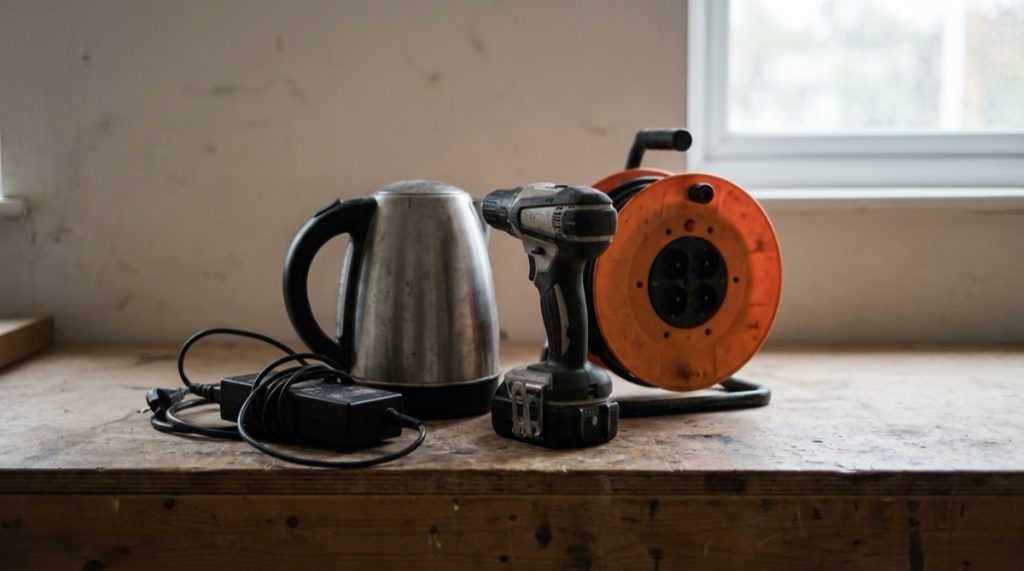
Which Appliances Need PAT Testing?
Any mains-powered equipment used at work should be in your maintenance regime — including extension leads, chargers and employee-owned items. What is in scope and what is not.
Nexis CPD Knowledge Bank — Health & Safety guides and explainers.
Any mains-powered equipment used at work should be in your maintenance regime — including extension leads, chargers and employee-owned items. What is in scope and what is not.
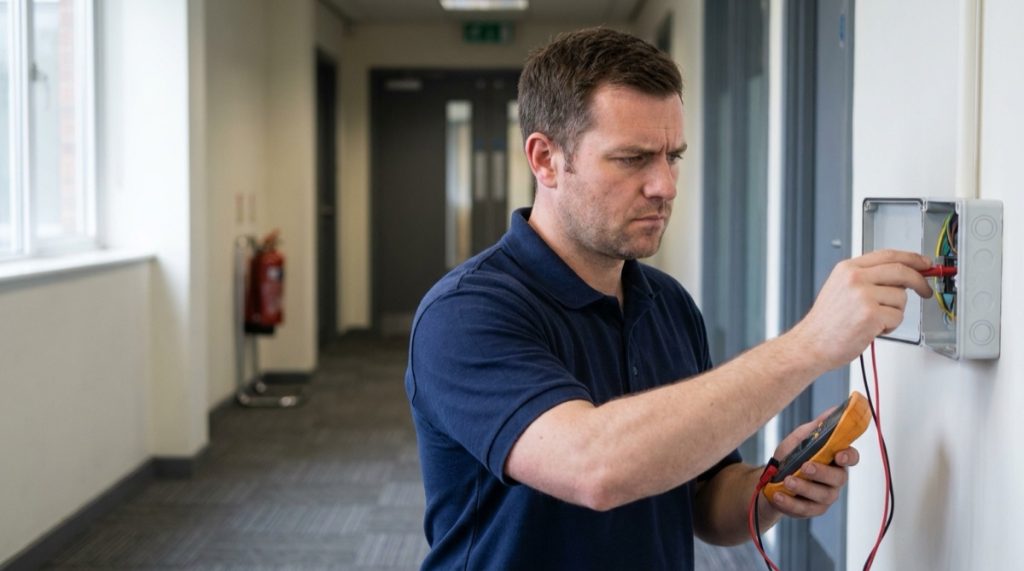
PAT testing must be done by a competent person — but that does not have to be a qualified electrician. What competence means and who can do each level of check.
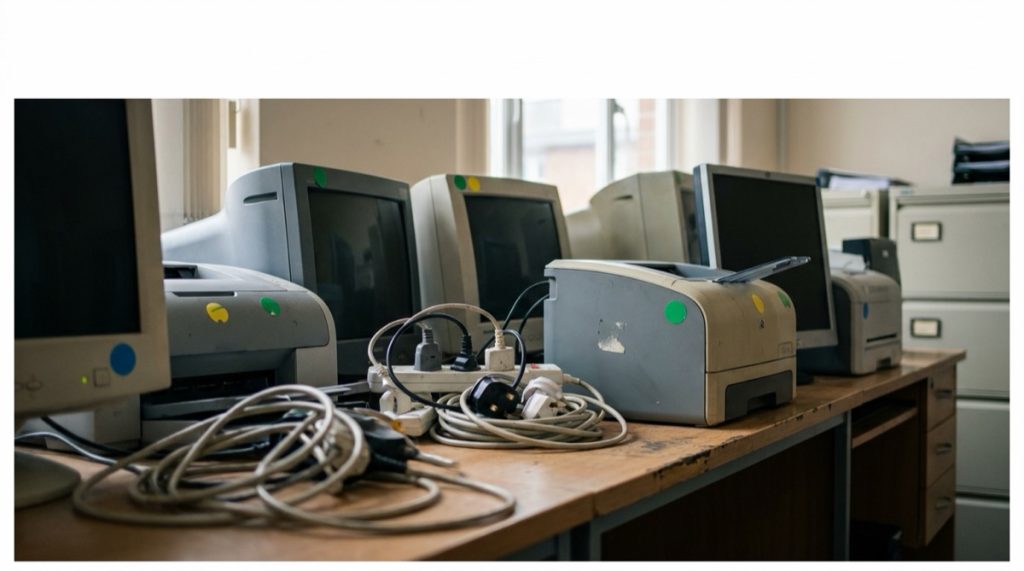
There is no legally fixed PAT testing interval. Frequency depends on equipment type, environment, how often it is moved and who uses it.
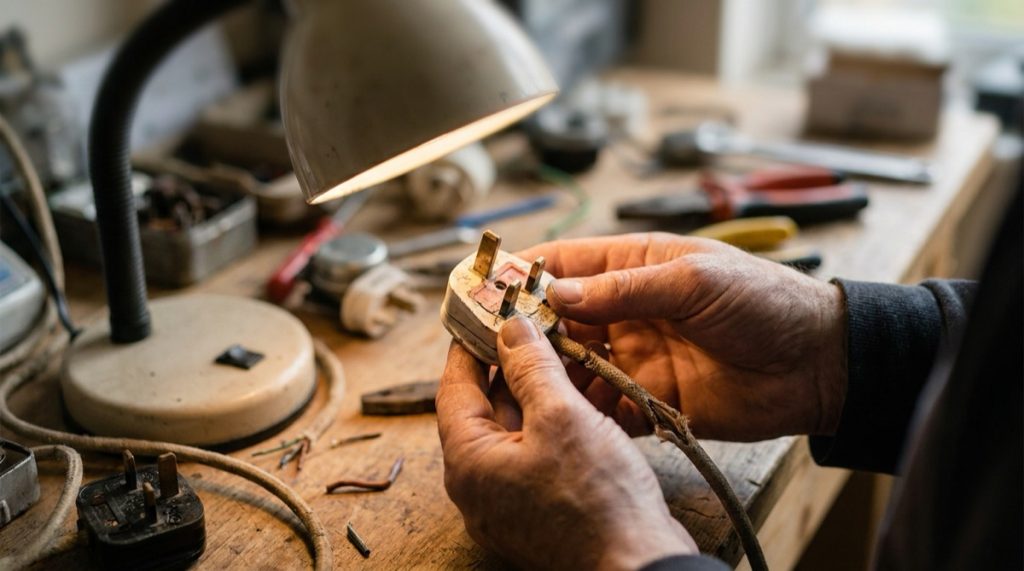
No — PAT testing is not a legal requirement. The duty is to maintain electrical equipment so it does not cause danger. What the law actually says.
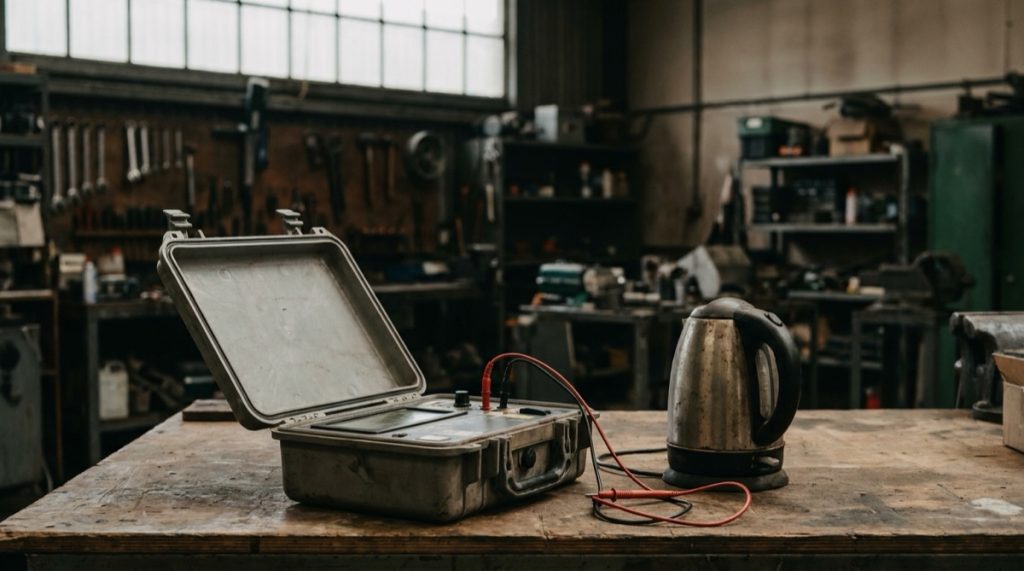
PAT testing means Portable Appliance Testing. It is not itself a legal requirement — the duty is to maintain electrical equipment. What it involves, who can do it, and how often.

A COSHH risk assessment identifies hazardous substances, decides who could be harmed, and puts controls in place. The five practical steps explained.

The nine CLP hazard pictograms explained — what each COSHH symbol means, which warn of serious long-term health effects, and what replaced the old orange symbols.

COSHH stands for the Control of Substances Hazardous to Health Regulations 2002. Learn what it covers, employer duties, the hierarchy of control and how to do a COSHH assessment.