
NHS trusts in England base their mandatory training on the Core Skills Training Framework, which sets out 11 statutory and mandatory subjects. Maintained by Skills for Health, it gives trusts a common set of learning outcomes so training can be recognised when staff move between them. If you are employed by an NHS trust, the answer to “what training do I need?” is simple: do your trust’s own mandatory training, because that is what is recorded against your name. The harder question is for everyone else — agency and bank staff, private clinics, dental and GP practices, and home care — who still need to evidence the same subjects without a trust’s training system behind them.
At a glance: Nexis CPD offers £9 CPD-accredited online courses covering most core healthcare training subjects, with a verifiable e-certificate on passing — and any three courses cost £18.

What are the 11 core subjects?
The Core Skills Training Framework for NHS trusts in England lists these statutory and mandatory subjects:
- Conflict resolution
- Equality, diversity and human rights
- Fire safety
- Health, safety and welfare
- Infection prevention and control
- Information governance and data security
- Moving and handling
- Preventing radicalisation
- Resuscitation
- Safeguarding adults
- Safeguarding children
The framework defines learning outcomes, not a particular course. Trusts and training providers can formally declare that their training is aligned to it, which is what allows a trust to accept training completed elsewhere. That distinction matters, and we come back to it below.
Why a certificate from anywhere is not automatically accepted
This is the part most providers leave out. A trust decides what it accepts, and it will usually want training that is declared aligned to the framework and recorded in a way that can move with you. A certificate from an unaligned provider — however good the course — may simply not be accepted by an NHS trust as meeting its mandatory requirement.
Nexis CPD courses are CPD-accredited, but they are not declared as aligned to the Core Skills Training Framework. If you are employed by a trust, or a trust is asking you to evidence CSTF compliance, check with them before buying anything.
Two subjects no online course can fully cover
Honesty about this protects patients, so it is worth stating plainly:
- Resuscitation requires practical, hands-on skills that must be assessed in person. An online course can teach the theory — the chain of survival, recognising cardiac arrest, the steps of basic life support — but it cannot certify that you can deliver effective chest compressions.
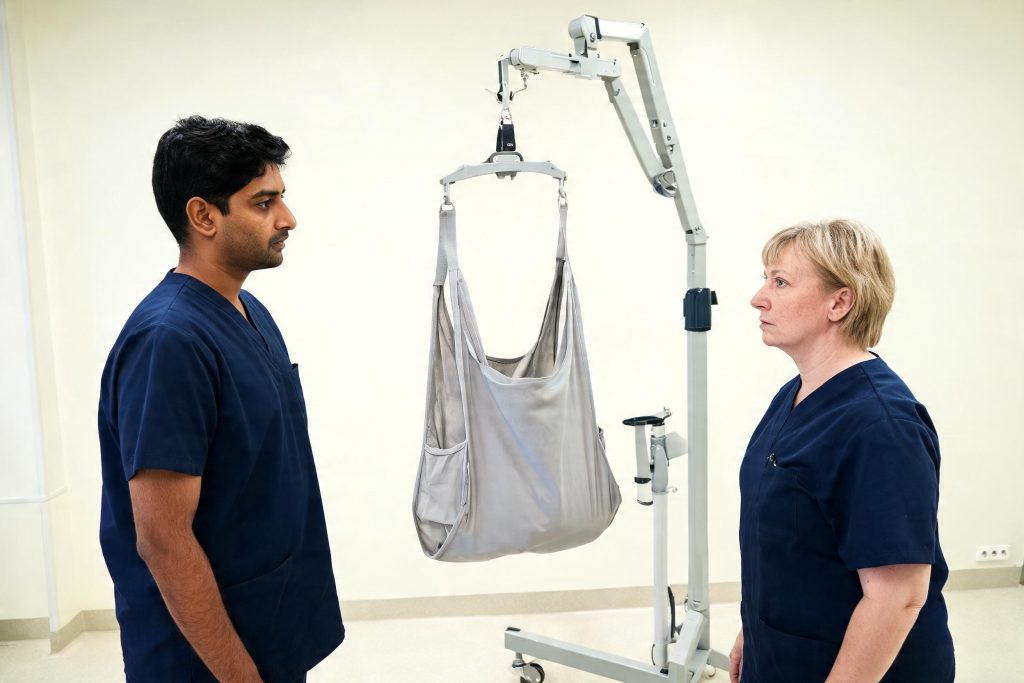
- Moving and handling likewise needs practical training with the equipment you will actually use. Online learning covers the law and the principles; it does not replace a practical session on hoists and slide sheets.
We also do not currently offer a course on preventing radicalisation, so it is one of the eleven we cannot help with.
Who the online route actually suits
Where online CPD earns its place is for healthcare workers outside an NHS trust’s own system, who are commonly asked to evidence training in the core subjects before they start or at renewal:
- Agency and bank staff moving between settings
- Staff in private hospitals and clinics
- Dental and GP practice teams
- Domiciliary and community care workers
- Anyone topping up theory knowledge between formal practical updates
For registered professionals, CPD is also part of revalidation — nurses, for example, need 35 hours every three years under NMC revalidation, as covered in our guide to CPD requirements in care.
Which courses cover which subjects?
Nexis CPD courses map onto nine of the eleven subjects, with the practical caveats above:
- Infection Prevention and Control Awareness
- Moving and Handling People Awareness — theory only
- Fire Safety Awareness
- Basic Life Support — theory only
- Conflict Management
- Safeguarding Adults and Safeguarding Children
- Equality, Diversity and Inclusion Awareness
- Data Protection and GDPR Awareness — covering the data protection side of information governance
A common starting set for a healthcare worker is infection prevention and control, moving and handling people, and fire safety — three subjects that come up in almost every healthcare setting. Together they cost £18 rather than £27, because any three courses trigger the pay-for-2-get-3 offer. Add them to the cart and the discount applies automatically.
For clinical roles, Sharps Safety and Respiratory Protective Equipment are common additions. For more on the first subject, see our guide to infection prevention and control.
Frequently asked questions
What is the Core Skills Training Framework?
The Core Skills Training Framework is maintained by Skills for Health and sets out the statutory and mandatory training subjects for healthcare staff, with defined learning outcomes. The version for NHS trusts in England lists 11 subjects: conflict resolution; equality, diversity and human rights; fire safety; health, safety and welfare; infection prevention and control; information governance and data security; moving and handling; preventing radicalisation; resuscitation; safeguarding adults; and safeguarding children.
Will an NHS trust accept a certificate from any online provider?
Not necessarily. A trust decides what it accepts and will usually want training that is declared aligned to the Core Skills Training Framework and recorded in a way that moves with you. A certificate from a provider that is not aligned may not be accepted as meeting a trust's mandatory requirement. If you are employed by a trust, complete the trust's own mandatory training and check before buying anything elsewhere.
Can resuscitation training be done online?
Only the theory. An online course can teach the chain of survival, how to recognise cardiac arrest and the steps of basic life support, but resuscitation requires practical, hands-on skills that must be assessed in person. The same applies to moving and handling, which needs practical training with the equipment you will actually use.
Who is online mandatory training useful for?
It is most useful for healthcare workers outside an NHS trust's own training system who are commonly asked to evidence training in the core subjects, such as agency and bank staff, staff in private hospitals and clinics, dental and GP practice teams, and domiciliary and community care workers. It is also useful for topping up theory knowledge between formal practical updates.
How often does mandatory training need refreshing?
It varies by subject and by employer. Refresher intervals are set by the employer or trust, and some subjects are commonly refreshed more often than others. There is no single interval that applies to every subject in every setting, so check your employer's or agency's training policy for the frequency they require.
Healthcare training courses
£9 per course. CPD accredited, 100% online, verifiable e-certificate. Pay for 2, get 3 — any 3 courses for £18.
This article is general information, not legal or clinical advice. Nexis CPD courses are CPD-accredited awareness courses; they are not declared as aligned to the Core Skills Training Framework and are not a substitute for an NHS trust’s own mandatory training. They do not provide the practical, in-person assessment required for resuscitation or moving and handling. Always confirm with your employer, agency or trust what training they will accept before you buy.