
Slips, trips and falls are the single most common cause of injury in UK workplaces — and almost all of them are preventable with simple, cheap measures, not expensive equipment. A wet floor without a sign, a trailing cable, a box left in a walkway: the causes are mundane, which is exactly why they are so often ignored until someone is hurt.
This guide explains what causes slips, trips and falls, what the law requires, and the straightforward steps that prevent the great majority of them.
Why slips, trips and falls matter
Slips and trips are consistently the most common cause of non-fatal injuries at work in Britain, and they are the most frequent cause of major injuries such as broken bones. They also cause many falls from height. Beyond the human cost, they mean lost time, sickness absence, insurance claims and, in serious cases, prosecution.
The reassuring part is that they are highly preventable. Most result from a small number of well-understood causes that cost little to control.
What the law requires
Employers have clear duties to prevent slips and trips:
- The Health and Safety at Work etc. Act 1974 requires employers to ensure, so far as is reasonably practicable, the health and safety of employees and others.
- The Workplace (Health, Safety and Welfare) Regulations 1992 require floors to be suitable, in good condition and free from obstructions, and to be kept clean.
- The Management of Health and Safety at Work Regulations 1999 require a risk assessment and sensible controls.
What causes slips
Slips almost always come down to a contaminated or wet floor combined with the wrong surface or footwear. The usual culprits are:
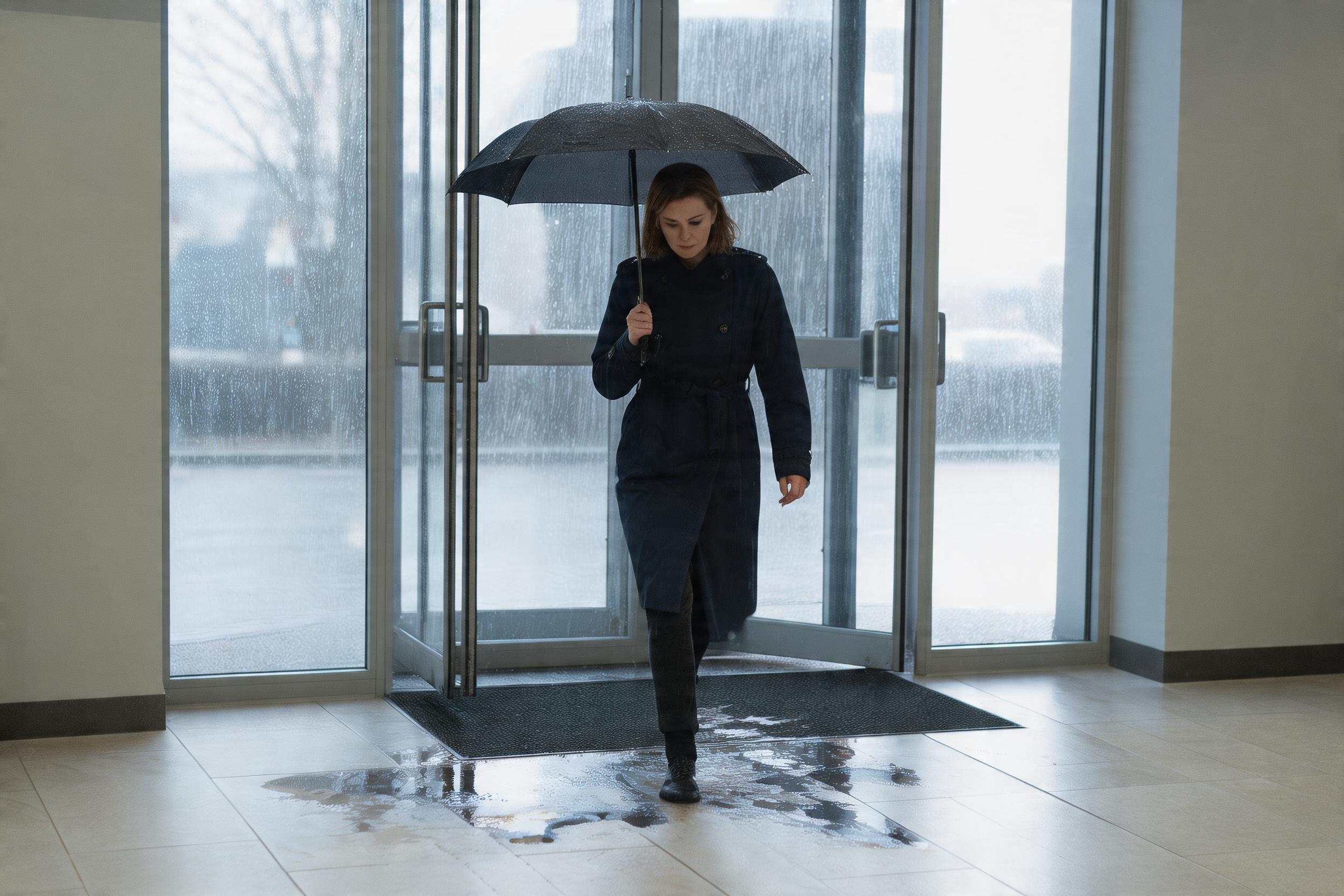
- Water, oil, food or other spills that are not cleaned up promptly
- Rain, ice or wet leaves walked in at entrances
- Smooth or unsuitable flooring for the environment
- Unsuitable footwear with worn or inappropriate soles
What causes trips
Trips are usually about something in the way or an uneven surface:
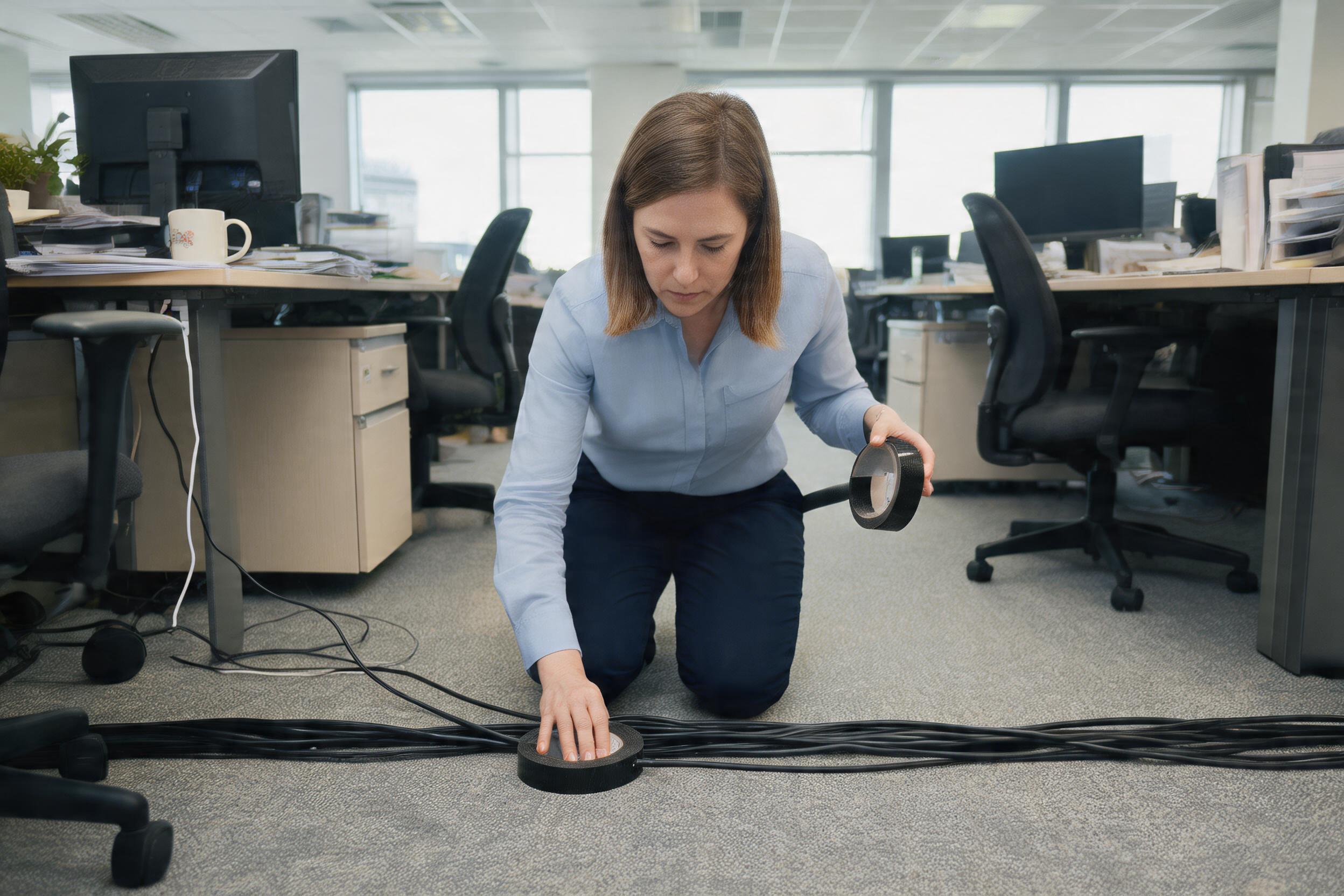
- Trailing cables and leads
- Obstacles and clutter left in walkways
- Uneven floors, damaged carpet, changes in level and unmarked steps
- Poor lighting that hides a hazard
How to prevent them
The controls are simple and, done consistently, hugely effective:
- Stop floors getting contaminated — fix leaks, use entrance matting, and manage rainwater at doors.
- Clean up spills immediately and use clear signage while a floor is wet — then remove the sign once it is dry.
- Good housekeeping — keep walkways clear, manage cables, close drawers, tidy as you go.
- The right flooring and footwear for the environment, especially where floors are likely to get wet.
- Good lighting so hazards can be seen.
- Assess and act — include slips and trips in your risk assessment and deal with what it finds.
Reporting
Some slip, trip and fall injuries are reportable to the HSE. Specified injuries such as certain fractures, and injuries that keep a worker off their normal duties for more than seven days, must be reported under RIDDOR. Recording near-misses matters too — a slip that caused no injury this time is a warning for next time.
Further reading
- HSE — Slips and trips
- Workplace (Health, Safety and Welfare) Regulations 1992
- HSE — Preventing slips and trips: advice for employers
Frequently asked questions
How common are slips, trips and falls at work?
Slips and trips are consistently the most common cause of non-fatal injuries in UK workplaces and the most frequent cause of major injuries such as broken bones. They also cause many falls from height. The good news is that they are highly preventable, as most result from a small number of well-understood, low-cost causes.
What does the law say about slips and trips?
The Health and Safety at Work etc. Act 1974 requires employers to protect health and safety so far as is reasonably practicable. The Workplace (Health, Safety and Welfare) Regulations 1992 require floors to be suitable, in good condition, free from obstructions and kept clean. The Management of Health and Safety at Work Regulations 1999 require a risk assessment and sensible controls.
What causes most slips and trips?
Slips are usually caused by a wet or contaminated floor combined with unsuitable flooring or footwear — spills, rainwater at entrances, smooth floors and worn soles. Trips are usually caused by something in the way or an uneven surface — trailing cables, clutter in walkways, uneven or damaged floors, changes in level, and poor lighting that hides a hazard.
How can slips, trips and falls be prevented?
Stop floors getting contaminated by fixing leaks and using entrance matting; clean up spills immediately and use signage while a floor is wet; keep walkways clear and manage cables through good housekeeping; provide the right flooring and footwear for the environment; ensure good lighting; and include slips and trips in your risk assessment and act on what it finds.
Are slips, trips and falls reportable under RIDDOR?
Some are. Specified injuries such as certain fractures, and injuries that keep a worker off their normal duties for more than seven days, must be reported to the HSE under RIDDOR. Recording near-misses is also good practice, because a slip that caused no injury this time is a warning that should be acted on before it does.
Slips, trips and falls training
Our Slips, Trips and Falls Awareness course covers the causes, the law, and the practical steps that prevent the most common cause of workplace injury.
Related: What is a risk assessment? · Manual handling injuries · What is RIDDOR?
£9 per course. CPD accredited, 100 % online, verifiable e-certificate on completion. Pay for 2, get 3 — any 3 courses for £18.
Please note: this is a CPD-accredited awareness course and general information, not a substitute for a workplace risk assessment carried out for your specific premises and activities, or for professional health and safety advice. It is not an Ofqual-regulated qualification.