
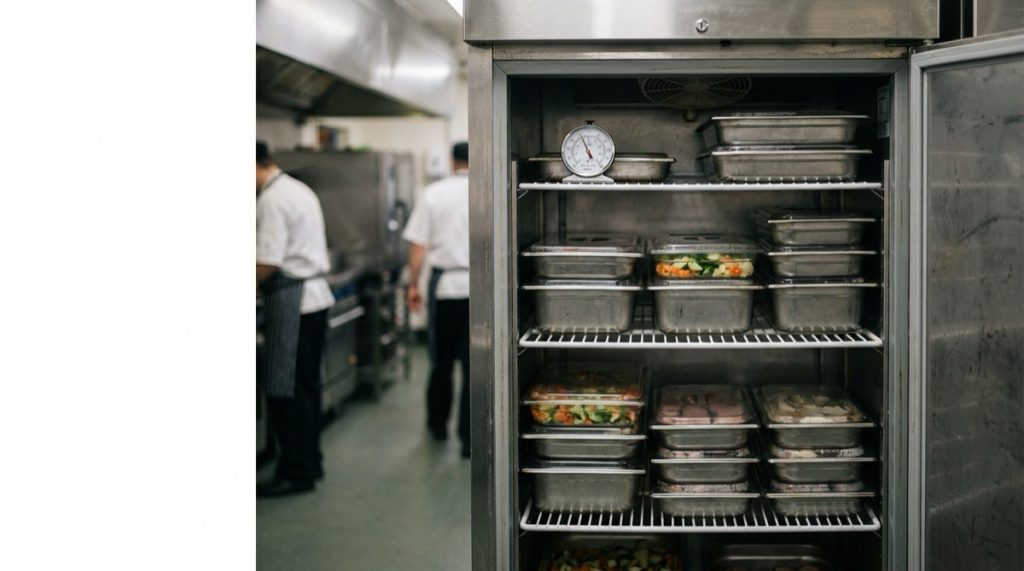
Food Temperature Control: The UK Rules Explained
Chilling, cooking, hot holding and cooling temperatures, the two- and four-hour display rules, probe calibration and what to record.
Chilling, cooking, hot holding and cooling temperatures, the two- and four-hour display rules, probe calibration and what to record.
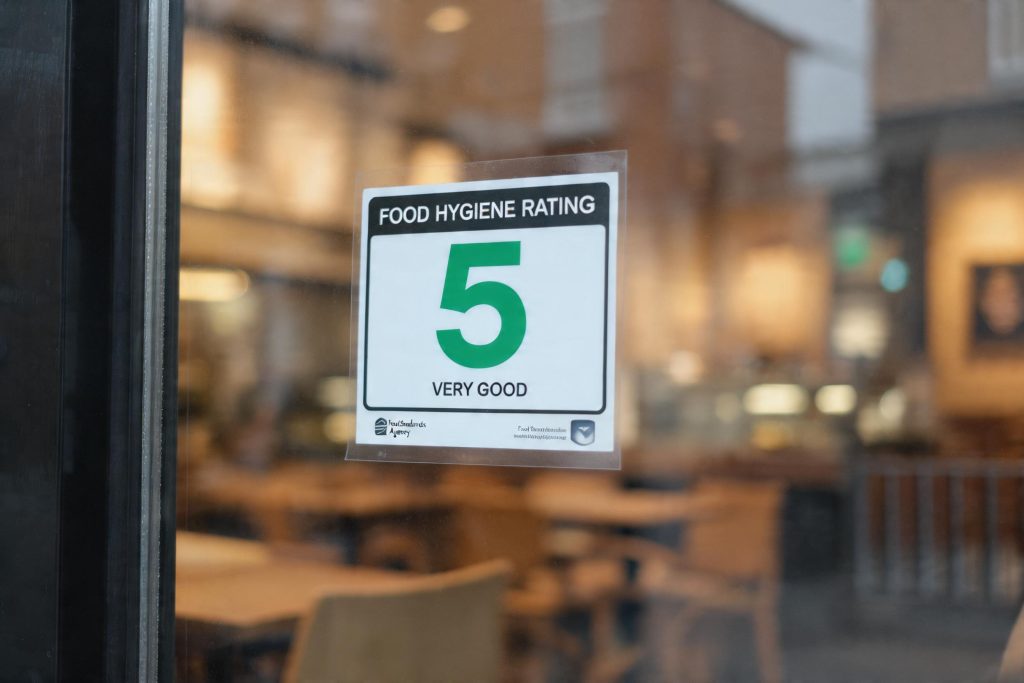
The three elements behind your 0-5 rating, why the weakest one caps your score, and your rights to appeal, reply and request a re-visit.
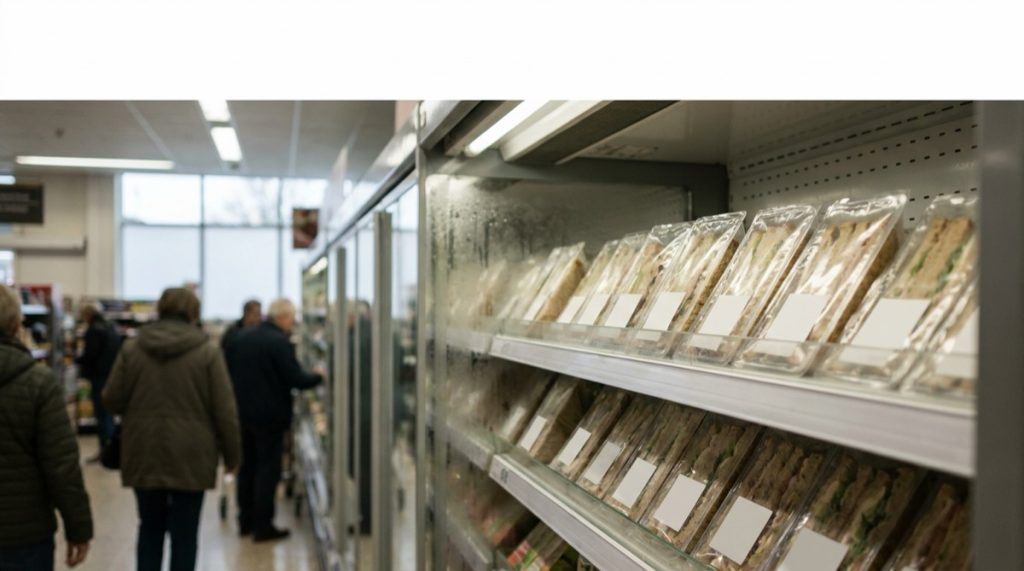
What PPDS food is, what the label must show, the 14 allergens, and how allergen rules differ for made-to-order and loose food.
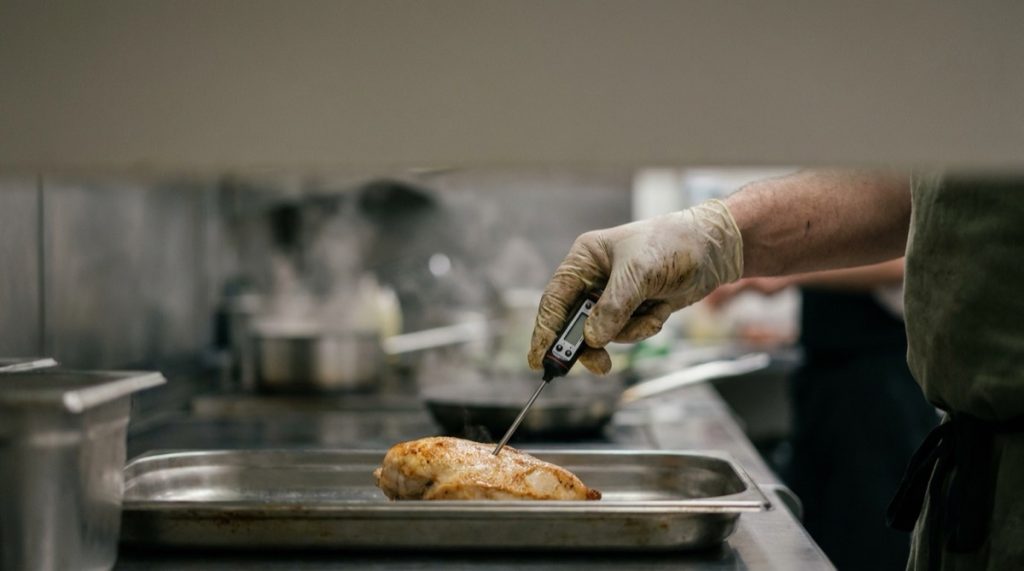
What HACCP means, the 7 principles, why it is a legal requirement under Article 5, and how small businesses comply proportionately.
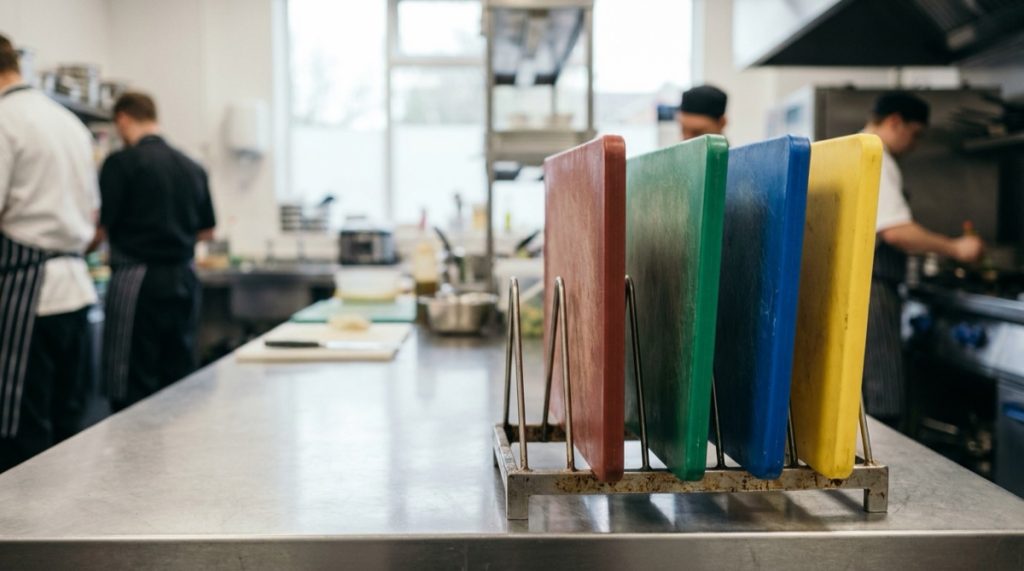
The FSA four Cs explained with real UK temperatures, two-stage cleaning and the cross-contamination controls that actually work.

The honest legal answer on food hygiene certificates in the UK, what is genuinely mandatory, and what happens if you do not comply.
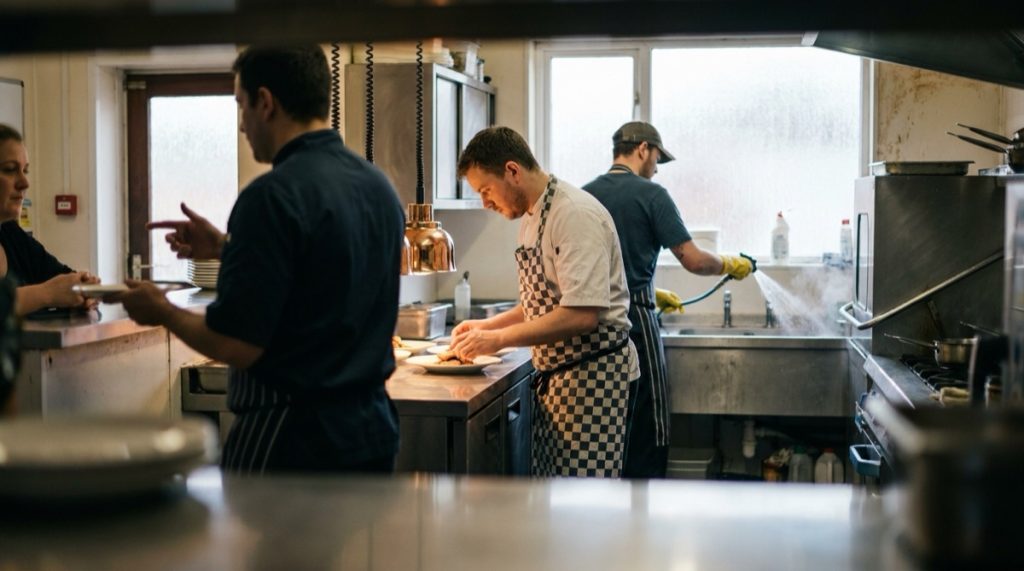
Level 1, 2 or 3 food hygiene? A clear comparison of who each level is for, what it covers, and how to choose.

What a UK food hygiene certificate is, which level you need, how to get one online, and what the law actually requires.
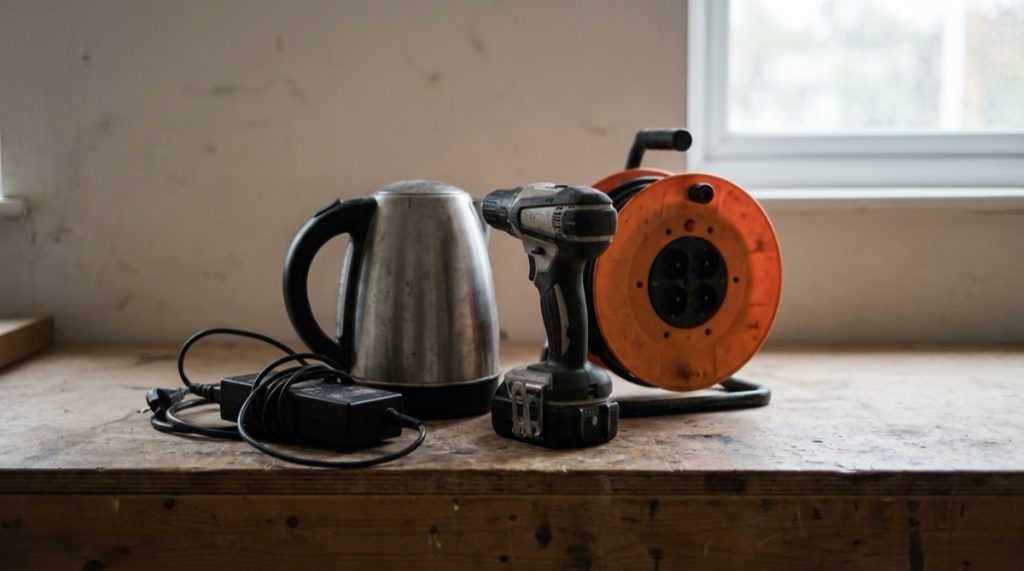
Any mains-powered equipment used at work should be in your maintenance regime — including extension leads, chargers and employee-owned items. What is in scope and what is not.
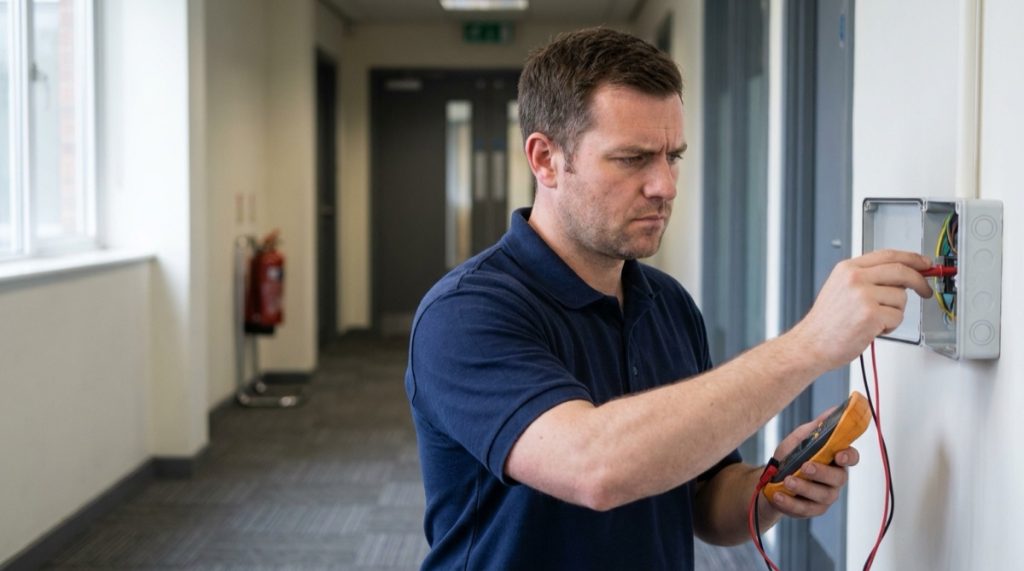
PAT testing must be done by a competent person — but that does not have to be a qualified electrician. What competence means and who can do each level of check.