
Keeping Children Safe in Education (KCSIE) is the statutory safeguarding guidance that every school and college in England must follow — and everyone who works with children is required to read at least Part 1. It is not optional, and it is updated every year. If you work in education, KCSIE is the single most important safeguarding document you will handle.
This guide explains what KCSIE is, who must follow it, how it is structured, and why it changes each September.

What KCSIE is
KCSIE is statutory guidance issued by the Department for Education that sets out what schools and colleges in England must do to safeguard and promote the welfare of children. “Statutory” means it is not advice to consider — schools must have regard to it, and inspectors check that they do.
It covers everything from the responsibilities of individual staff to safer recruitment, online safety, and how allegations against staff are handled.
Who must follow it — and who must read it
KCSIE applies to all schools and colleges in England. Within them:
- All staff — teachers, teaching assistants, support and admin staff, and volunteers — must read and understand Part 1 (or Annex A, a condensed version for those who do not work directly with children).
- Governing bodies and senior leaders must be familiar with the whole document.
- Reading it is expected at the start of each school year, and leaders must be confident staff understand it, not just that they have received it.
Why it changes every September
KCSIE is reviewed and reissued each year, with the new version coming into force at the start of the September term. That is why safeguarding training and staff reading are refreshed every autumn — the guidance staff read last year may have been updated. Always work to the current version for the school year you are in, and check the DfE’s page for the latest edition rather than relying on a saved copy.
How KCSIE is structured
The guidance is organised into parts. In broad terms:
- Part 1 — Safeguarding information for all staff: what every member of staff must know — the signs of abuse, what to do about a concern, online safety, and the whole-school approach. This is the part everyone reads.
- Part 2 — The management of safeguarding: the responsibilities of governing bodies and school leaders.
- Part 3 — Safer recruitment: recruiting and vetting staff safely, including checks.
- Part 4 — Allegations and concerns about staff: handling allegations made against people who work with children.
- Part 5 — Child-on-child abuse: preventing and responding to abuse between children.
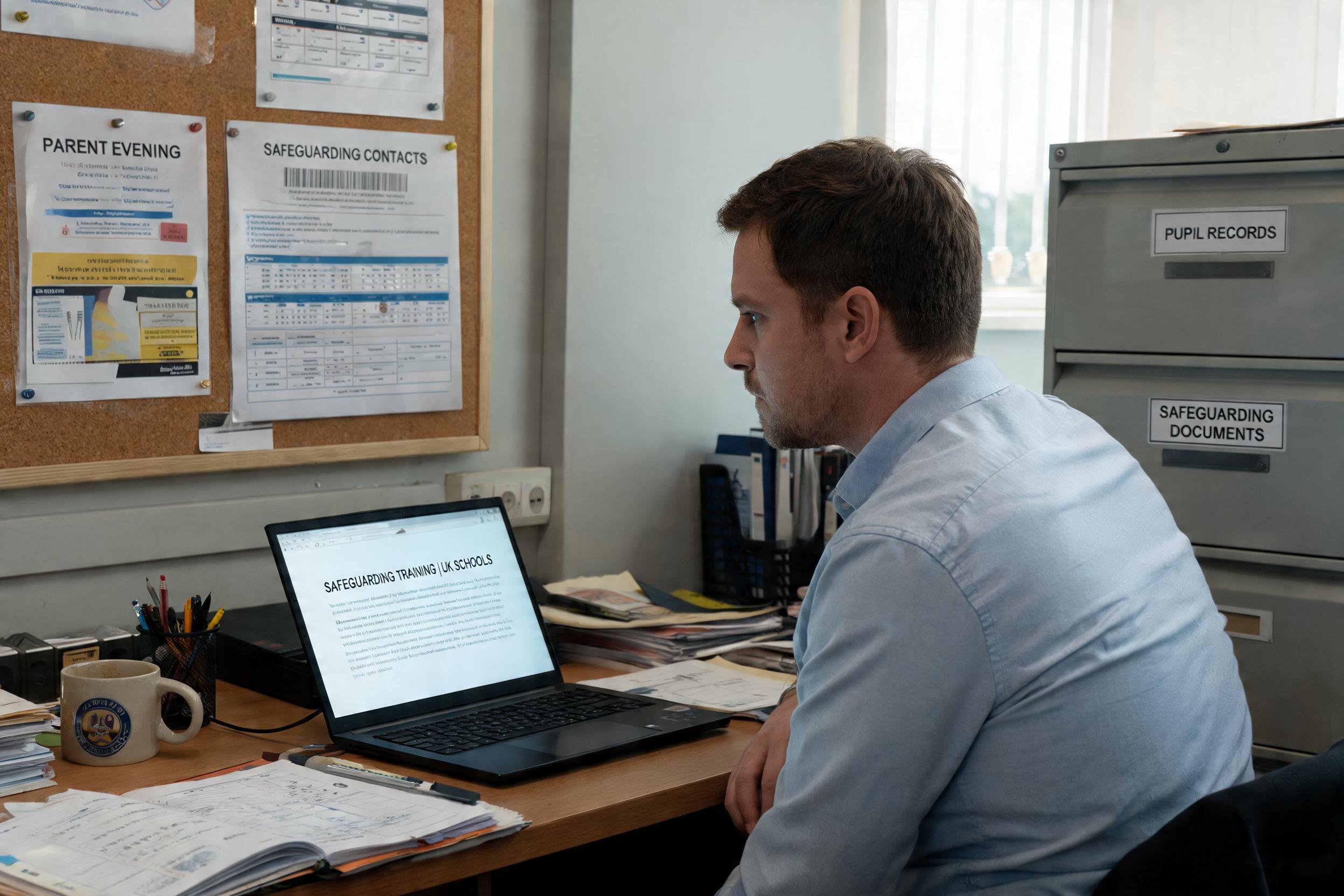
The key themes running through it
- A whole-school approach — safeguarding is everyone’s responsibility, embedded in the culture, not a policy on a shelf.
- The Designated Safeguarding Lead (DSL) — a senior member of staff with lead responsibility, to whom concerns are reported. See our guide to the DSL role.
- Online safety — including filtering and monitoring of the systems children use.
- Managing low-level concerns about adults’ behaviour before they escalate.
KCSIE sits alongside the wider safeguarding children framework and the “Working Together to Safeguard Children” guidance.
Further reading
- Gov.uk — Keeping Children Safe in Education (current version)
- Gov.uk — Working Together to Safeguard Children
- NSPCC Learning — Safeguarding in schools
Frequently asked questions
What is KCSIE?
Keeping Children Safe in Education (KCSIE) is statutory guidance issued by the Department for Education setting out what schools and colleges in England must do to safeguard and promote the welfare of children. ‘Statutory’ means schools must have regard to it and inspectors check that they do. It covers staff responsibilities, safer recruitment, online safety, and how allegations against staff are handled.
Who has to read KCSIE?
KCSIE applies to all schools and colleges in England. All staff — teachers, teaching assistants, support and admin staff and volunteers — must read and understand Part 1 (or Annex A, a condensed version for those not working directly with children). Governing bodies and senior leaders should be familiar with the whole document. Reading is expected at the start of each school year.
Why does KCSIE change every year?
KCSIE is reviewed and reissued each year, with the new version coming into force at the start of the September term. This is why safeguarding training and staff reading are refreshed every autumn. Always work to the current version for the school year you are in, and check the Department for Education’s page for the latest edition rather than relying on a saved copy.
How is KCSIE structured?
KCSIE is organised into parts: Part 1 is safeguarding information for all staff; Part 2 covers the management of safeguarding by governing bodies and leaders; Part 3 covers safer recruitment; Part 4 covers allegations and concerns about staff; and Part 5 covers child-on-child abuse. Part 1 is the section every member of staff must read.
Does a CPD safeguarding course meet KCSIE requirements?
A CPD safeguarding course builds and refreshes the underpinning knowledge KCSIE expects, but it does not replace a school’s own statutory safeguarding training, reading the current KCSIE guidance in full, or role-specific Designated Safeguarding Lead training. It complements those requirements rather than substituting for them.
Safeguarding training for education staff
At a glance: Nexis CPD offers £9 CPD-accredited online safeguarding courses for education staff — 100% online and self-paced, with an instant, verifiable e-certificate on passing.
Our Safeguarding Children courses (Level 1 and Advanced Level 2), Designated Safeguarding Lead and Safer Recruitment in Education courses support the knowledge that KCSIE requires. They complement — but do not replace — your setting’s statutory training.
Related: What is safeguarding children? · The types of child abuse · Designated Safeguarding Lead
£9 per course. CPD accredited, 100 % online, verifiable e-certificate on completion. Pay for 2, get 3 — any 3 courses for £18.
Please note: this is CPD-accredited awareness training and general information, not a substitute for the statutory safeguarding training schools and colleges must provide, for reading the current KCSIE guidance in full, or for role-specific DSL training. Always work to the current version of KCSIE for your school year. It is not an Ofqual-regulated qualification.